In 1923, Rudolf Steiner, an Austrian scientist, philosopher & social innovator, predicted that in 80 to 100 years honeybees would collapse. Now, beekeepers around the United States and around the world are reporting an incredible loss of honeybees, a phenomenon deemed "Colony Collapse Disorder." This "pandemic" is indicated by bees disappearing in mass numbers from their hives with no clear single explanation. The queen is there, honey is there, but the bees are gone. For the first time, in an alarming inquiry into the insights behind Steiner's prediction QUEEN OF THE SUN: What Are the Bees Telling Us? investigates the long-term causes behind the dire global bee crisis through the eyes of biodynamic beekeepers, commercial beekeepers, scientists and philosophers.
Related Movies
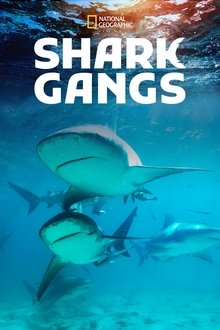
Shark Gangs (2021)
Scientists have discovered and investigate the reason behind the behavior of sharks swimming around in gangs even though they are viewed as solitary predators.
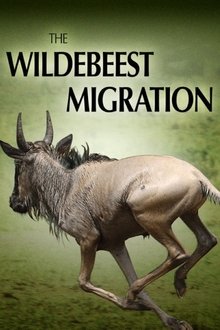
The Wildebeest Migration: Nature's Greatest Journey (2012)
Every year, on the steppes of the Serengeti, the most spectacular migration of animals on our planet: Around two million wildebeest, Burchell's zebra and Thomson's gazelles begin their tour of nearly 2,000 miles across the almost treeless savannah. For the first time, a documentary captures stunning footage in the midst of this demanding journey. The documentary starts at the beginning of the year, when more than two million animals gather in the shadow of the volcanoes on the southern edge of the Serengeti in order to birth their offspring. In just two weeks, the animal herd's population has increased by one third, and after only two days, the calves can already run as fast as the adults The young wildebeest in this phase of their life are the most vulnerable to attacks by lions, cheetahs, leopards or hyenas. The film then follows the survivors of these attacks through the next three months on their incredible journey, a trip so long that 200,000 wildebeest will not reach the end.
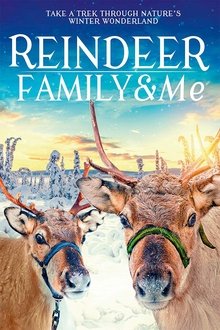
Reindeer Family & Me (2017)
Wildlife cameraman Gordon Buchanan travels to the frozen north, deep inside the Arctic Circle, to meet the ancient Sami people and the animals they hold so close - reindeer.
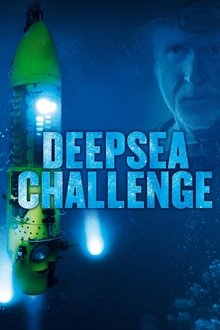
Deepsea Challenge 3D (2014)
Described as being a film about determination, danger and the ocean’s greatest depths, James Cameron's "Deepsea Challenge 3D" tells the story of Cameron’s journey to fulfill his boyhood dream of becoming an explorer. The movie offers a unique insight into Cameron's world as he makes that dream reality – and makes history – by becoming the first person to travel solo to the deepest point on the planet.

The Land of Jacques Cartier (1963)
Did Cartier dream of making a country from this land of a million birds? In his records of his exploration he certainly marvelled at seeing the great auks that have since disappeared from Isle aux Ouaiseaulx, the razor-bills and gannets that are gone from Blanc-Sablon, and the kittiwakes from Anticosti, all the winged creatures of all the islands which he described as being "as full of birds as a meadow is of grass". And that's not even counting the countless snow geese.
Powaqqatsi (1988)
An exploration of technologically developing nations and the effect the transition to Western-style modernization has had on them.
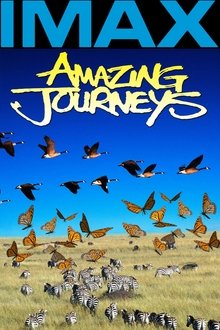
Amazing Journeys (1999)
By land, by air, and by sea, viewers can now experience the struggle that millions of creatures endure in the name of migration as wildlife photographers show just how deeply survival instincts have become ingrained into to the animals of planet Earth. From the monarch butterflies that swarm the highlands of Mexico to the birds who navigate by the stars and the millions of red crabs who make the perilous land journey across Christmas Island, this release offers a look at animal instinct in it's purest form.

The Real Dirt on Farmer John (2006)
An outcast in his community, Farmer John bravely stands amidst a failing economy, vicious rumors, and violence. By melding the traditions of family farming with the power of art and free expression, this powerful story of transformation and renewal heralds a resurrection of farming in America. Through highly personal interviews and 50 years of beautifully textured footage, filmmaker Taggart Siegel shares Farmer John’s haunting and humorous odyssey, capturing what it means to be wildly different in a rural community.
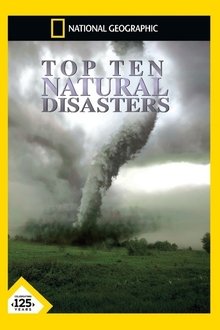
Top Ten Natural Disasters (2013)
National Geographic gets 10 experts to pick the most significant natural disasters ever, adding eyewitness accounts and CGI to flesh out the stories.
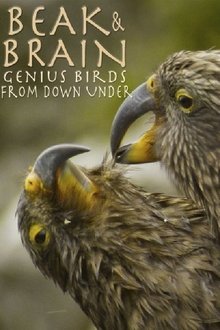
Beak & Brain - Genius Birds from Down Under (2013)
Whoever came up with the term 'bird brain' never met these feathered thinkers, who use their claws and beaks to solve puzzles, make tools and more.

Dearest Ghost (2024)
A poetic journey through the inner world of a grieving filmmaker who tries to find solace in talking to her ghost. Different stages of grief are visually linked to seasonal changes in nature. The filmmaker finds reflections of her mindscape in the surrounding scenery and wildlife.
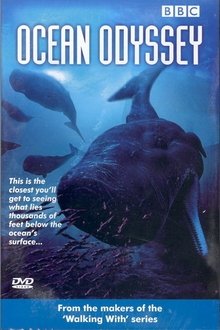
Ocean Odyssey (2006)
The largest predator on the planet, the sperm whale, is your host for an amazing exploration of the final frontier – the world at the bottom of the ocean. From the makers of the Walking With series comes this incredible marine tour, in which you'll witness a rarely seen world of hidden mountain ranges, majestic canyons, volcanoes and the beautiful and often deadly creatures that inhabit the deep sea.
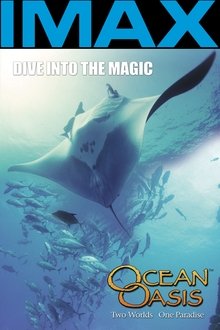
Ocean Oasis (2000)
Ocean Oasis is a fascinating journey into the bountiful seas and pristine deserts of two remarkably different, but inextricably linked worlds — Mexico's Sea of Cortés and the Baja California desert.
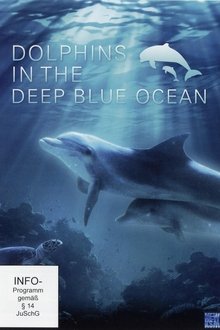
Dolphins in the Deep Blue Ocean (2009)
They are inspirational, playful, powerful, interesting and very intelligent animals, which have a magical bond with the people: Dolphins. You'll see these magnificent animals in their natural habitats - reefs in Eilat, the largest marine reserve in the world. And also be able to watch a dolphins dance and play with the camera, dive or just durachatsya. Never seen so close before!
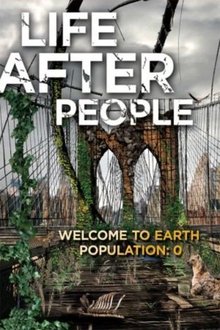
Life After People (2008)
In this special documentary that inspired a two-season television series, scientists and other experts speculate about what the Earth, animal life, and plant life might be like if, suddenly, humanity no longer existed, as well as the effect humanity's disappearance might have on the artificial aspects of civilization.
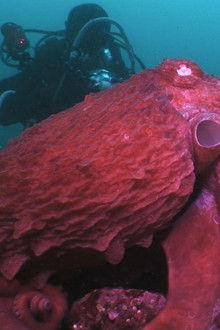
Animal Instincts - When Monsters Call - The Bizarre Water-World of Noto Peninsula, Japan (NaN)
When winter comes to Noto, a peninsula that juts north into the Sea of Japan, strange and bizarre creatures can be found in its waters. Among them, the blanket octopus spreads its billowing membrane as it flees from predators. Also featured are spawning deep-sea fish, a 4-meter long giant octopus, mysterious deep-sea oarfish, and even giant squid. Baby fish are a must-see as well. In the harsh winter, our underwater camera follows the amazing life and behavior of these so-called "monsters."
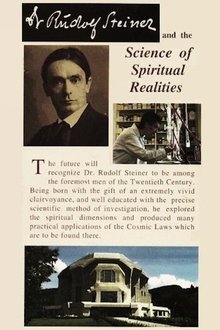
Dr Rudolf Steiner and the Science of Spiritual Realities (1993)
This television documentary takes us on a fascinating journey into the realms just beyond our five senses, where thoughts are things and creation begins. Rudolf Steiner not only found how to experience these areas directly, in a very safe and methodical manner, but he also developed specific techniques which, if utilized in the right way and with the proper intention, enable the individual to have insight into the spiritual realities. In addition to learning of this extraordinary individuality, we meet some of the men and women who are utilizing the impulses brought by Dr. Steiner to expand and enhance their specific vocations in very practical ways, e.g. education, agriculture, medicine, astronomy, mathematics, architecture, the arts, and working with retarded children and adults.