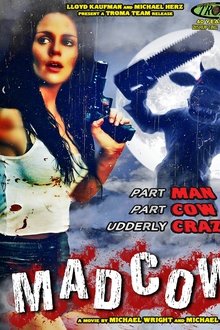
A collection of Monty Python's Flying Circus skits from the first two seasons of their British TV series.
Related Movies
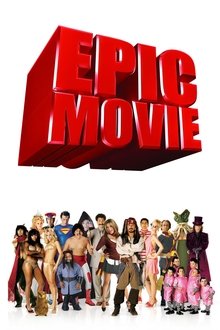
Epic Movie (2007)
When the Pevensie siblings each follow their own path, they find themselves at Willy's Chocolate Factory. Walking through a wardrobe, they discover the world of Gnarnia, ruled by the White Bitch. Meeting up with characters such as Harry Potter and Captain Jack Swallows, the newly reunited family must team up with Aslo, a wise-but-horny lion to stop the White Bitch's army.
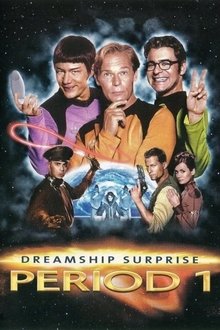
(T)Raumschiff Surprise - Periode 1 (2004)
Hundreds of years after humans have settled on Mars, Regulator Rogul and Lord Jens Maul, lead a force of Martians to Earth in order to conquer the planet. Queen Metaphor looks to the gay heroes aboard the spaceship Surprise -- Captain Kork, Mr. Spuck, and first engineer Schrotty -- for help.
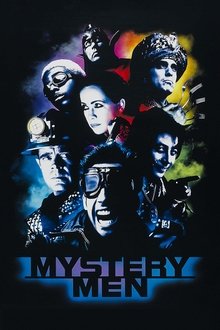
Mystery Men (1999)
When Champion City's hero Captain Amazing is kidnapped by the recently paroled supervillain Casanova Frankenstein, a trio of average, everyday superheroes -- Mr. Furious, the Shoveler and the Blue Raja -- assemble a new super team to save him.

Big Nothing (2006)
A frustrated, unemployed teacher joins forces with a scammer and his girlfriend in a blackmailing scheme.
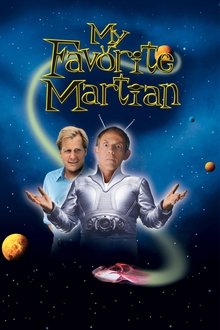
My Favorite Martian (1999)
Ambitious television reporter Tim O'Hara stumbles upon a martian whose spaceship has accidentally crashed on Earth. Thinking this is his ticket to a Pulitzer Prize, Tim makes plans to expose the martian, who, posing as Tim's Uncle Martin, takes human form and has plans of his own. In fact, all of Tim's efforts to divulge the truth are systematically thwarted by the resourceful alien, who ultimately recruits Tim to help him repair his ship for a return to Mars.
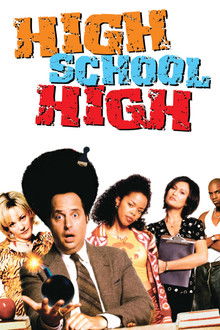
High School High (1996)
Richard Clark has just left the well-known Wellington Academy to teach at Marion Barry High School. Now, he will try to inspire the D-average students into making good grades and try to woo a fellow teacher.
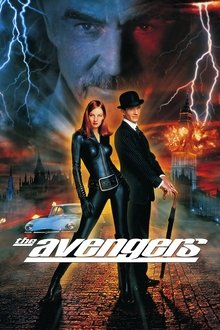
The Avengers (1998)
British Ministry agent John Steed, under direction from "Mother", investigates a diabolical plot by arch-villain Sir August de Wynter to rule the world with his weather control machine. Steed investigates the beautiful Doctor Mrs. Emma Peel, the only suspect, but simultaneously falls for her and joins forces with her to combat Sir August.
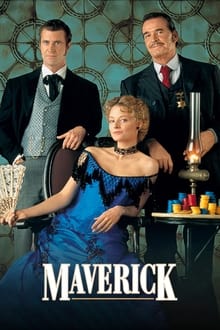
Maverick (1994)
Bret Maverick is a gambler who would rather con someone than fight them, and needs an additional $3k in order to enter a winner-takes-all poker game beginning in a few days. He joins forces with a woman with a marvelous Southern accent, and the two try and enter the game.
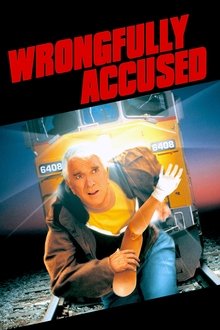
Wrongfully Accused (1998)
Ryan Harrison, a violin god, superstar and sex symbol does not want to cheat on sexy Lauren Goodhue's husband with her. Mr. Goodhue is found murdered and Ryan suddenly finds himself being the main suspect. After being sentenced to death he manages to flee while being transferred to his execution site. Now, all the world is after him as he stumbles from one unfortunate incident to the next in order to prove himself innocent - by finding a mysterious one-eyed, one-armed, one-legged man...
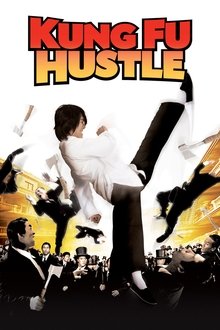
Kung Fu Hustle (2004)
It's the 1940s, and the notorious Axe Gang terrorizes Shanghai. Small-time criminals Sing and Bone hope to join, but they only manage to make lots of very dangerous enemies. Fortunately for them, kung fu masters and hidden strength can be found in unlikely places. Now they just have to take on the entire Axe Gang.
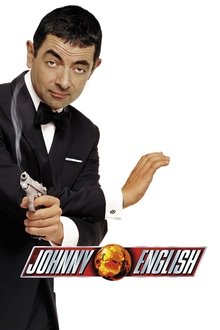
Johnny English (2003)
A lowly pencil pusher working for MI7, Johnny English is suddenly promoted to super spy after Agent One is assassinated and every other agent is blown up at his funeral. When a billionaire entrepreneur sponsors the exhibition of the Crown Jewels—and the valuable gems disappear on the opening night and on English's watch—the newly-designated agent must jump into action to find the thief and recover the missing gems.
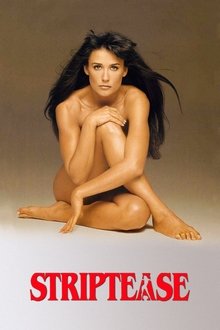
Striptease (1996)
Bounced from her job, Erin Grant needs money if she's to have any chance of winning back custody of her child. But, eventually, she must confront the naked truth: to take on the system, she'll have to take it all off. Erin strips to conquer, but she faces unintended circumstances when a hound dog of a Congressman zeroes in on her and sharpens the shady tools at his fingertips, including blackmail and murder.
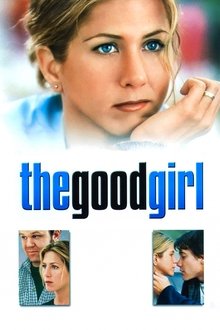
The Good Girl (2002)
A discount store clerk strikes up an affair with a stock boy who considers himself the incarnation of Holden Caulfield.
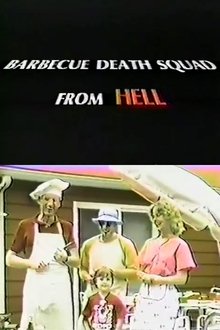
Barbecue Death Squad From Hell (1986)
Lydia Lunch and Penn & Teller jazz up the Jenkins' family picnic home movie, turning it into a backyard SOV slasher.
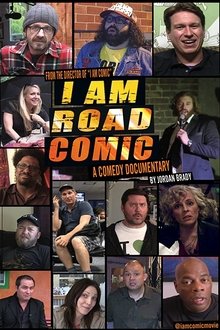
I Am Road Comic (2014)
Interviews with T.J. Miller, Pete Holmes, Marc Maron, Doug Benson, Jim Norton, Judah Friedlander, Alonzo Bodden, Maria Bamford, Jen Kirkman, Auggie Smith, W. Kamau Bell, Nikki Glaser, Wayne Federman, Seth Milstein, Oni Perez, Alysia Wood, Kris Tinkle, Traci Skene, Brian McKim, Tim O’Rourke, Tom Rhodes, Kyle Kinane and yours truly.
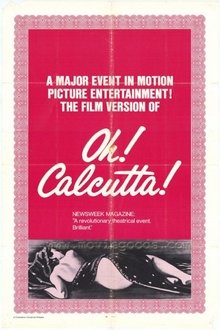
Oh! Calcutta! (1972)
Based on the controversial off-Broadway musical comedy revue, "Oh! Calcutta!" is a series of musical numbers about sex and sexual mores. Most of the skits feature one or more performers in a state of undress, simulating sex, or both. The show sparked considerable controversy at the time because it featured extended scenes of total nudity, both male and female. The title is taken from a painting by Clovis Trouille, itself a pun on "O quel cul t'as!" French for "What an arse you have!".

Sweet Potato Pie (2004)
Determined to lose their virginities, three friends set off on a lust-fuelled road trip full of hilariously desperate bids to get laid.
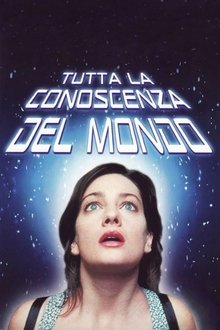
All the Knowledge in the World (2001)
Oddball characters, weird mishaps, fates intertwining: the search for the meaning of life goes on. A college student falls for her philosophy lecturer; a disabled man seeks recovery; a popstar meets a spiritual guru; and the arrival of a mysterious luminescent man, perhaps real or perhaps not.
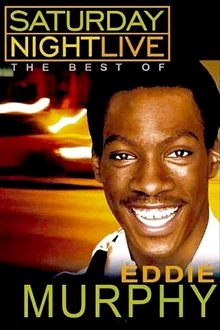
Saturday Night Live: The Best of Eddie Murphy (1998)
Before he was The Nutty Professor, before he was Dr. Dolittle, and even before he was the Beverly Hills Cop, Eddie Murphy was an SNL comic! From 1981-1984 he entertained us with sketches as Gumby, Mister Robinson, Buckwheat, Velvet Jones and many more! He was before Chris Rock, Tracey Morgan, and Tim Meadows! And after Garrett Morris!