Chapter and Verse is an experimental documentary that traces the image legacy of Northern Ireland's recent troubles via its contemporary landscapes. The camera roves with fierce curiosity amongst the Orange Order Parades, the raging 11th Night Bonfires of Belfast, the wall paintings of Londonderry, empty border-lands, murder-sites, cemeteries, home interiors, town and city streets whilst exploring how the troubles are both revealed and concealed by the Northern Irish landscape. Interviews with a mix of Northern Irish politicians, religious figures and victims of the troubles, including Rev. Ian Paisley and Bishop Emeritus of 'Derry Edward Daly, combine in a cinematic study of the complex effects of Northern Ireland's conflict history suspended in language.
Related Movies
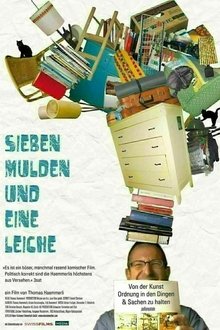
Sieben Mulden und eine Leiche (2007)
Thomas Haemmerli is about to celebrate his fortieth birthday when he learns of his mother's death. A further shock follows when he and his brother Erik discover her apartment, which is filthy and full to bursting with junk. It takes the brothers an entire month to clean out the place. Among the chaos, they find films going back to the 1930s, photos and other memorabilia.
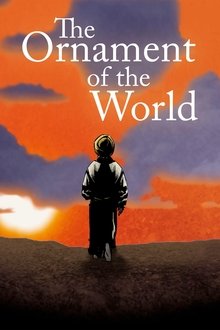
The Ornament of the World (2019)
Filmed in Cordoba, Granada, Seville, and Toledo, this documentary retraces the 800-year period in medieval Spain when Muslims, Christians, and Jews forged a common cultural identity that frequently transcended their religious differences, revealing what made this rare and fruitful collaboration possible, and what ultimately tore it apart.
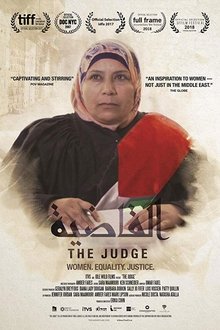
The Judge (2017)
A verité legal drama about Judge Kholoud Al-Faqih, the first woman appointed to a Shari'a court in the Middle East, whose career provides rare insights into both Islamic law and gendered justice.

The Magic Box (2012)
A special live broadcast on both BBC and UTV, hosted by Eamonn Holmes, celebrating the best of Northern Ireland television over the past 60 years and marking the occasion of digital switchover.
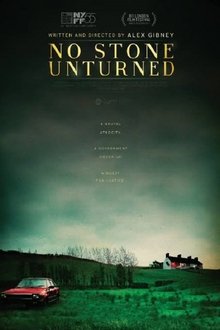
No Stone Unturned (2017)
Ireland's victory over Italy at the World Cup in New Jersey in 1994, remains a source of Irish pride. But it is haunted by memories of a massacre: terrorists opened fire and killed six innocents while they watched the match in a small village pub in Northern Ireland. Remarkably, no one was ever charged for the crime. For more than twenty years the victims' families have searched for answers. Now, at last, they may have found them. But what they learn turns a murder mystery into bigger inquiry relevant for us all: what happens when governments cover up the truth?
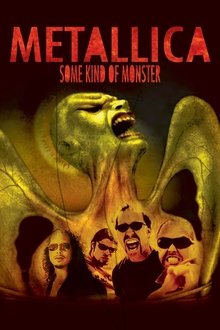
Metallica: Some Kind of Monster (2004)
After bassist Jason Newsted quits the band in 2001, heavy metal superstars Metallica realize that they need an intervention. In this revealing documentary, filmmakers follow the three rock stars as they hire a group therapist and grapple with 20 years of repressed anger and aggression. Between searching for a replacement bass player, creating a new album and confronting their personal demons, the band learns to open up in ways they never thought possible.
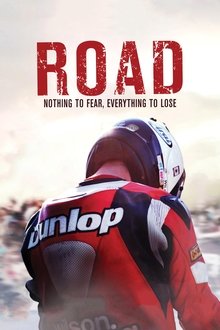
Road (2014)
Brothers addicted to speed at any price. Documentary following the motorcycle road racing careers, and fate, of the Dunlop family.
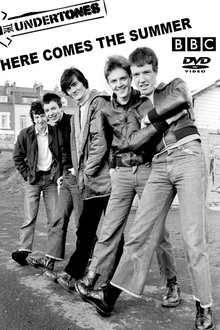
Here Comes the Summer: The Undertones Story (2012)
In 1978 the Undertones released Teenage Kicks, one of the most perfect and enduring pop records of all time - an adolescent anthem that spoke to teenagers all over the globe. It was the first in a string of hits that created a timeless soundtrack to growing up, making the Undertones one of punk rock's most prolific and popular bands.
The Bannfoot Ferry (2024)
A forgotten history of Northern Ireland is unveiled through a journey into Ulster Television’s archives, and the rediscovery of the first locally-produced network drama, Boatman Do Not Tarry.
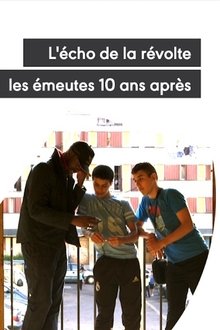
L'écho de la révolte - Les émeutes 10 ans après (2015)
On October 27, 2005, Zyed Benna and Bouna Traoré died in an electrical substation while fleeing the police, sparking three weeks of riots across France. A decade later, as the officers involved are acquitted, the film revisits the voices of those who lived through the uprising. Through their stories, it explores what remains of that anger and how their view of society has evolved.
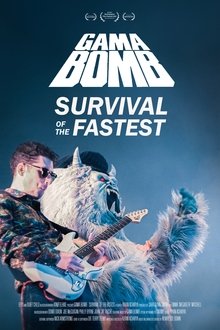
Gama Bomb: Survival of the Fastest (2024)
When they hit the Billboard charts, Gama Bomb were trapped by lockdowns, missing a drummer, and unable to tour. Survival Of The Fastest is a new Irish take on classic music documentaries like Anvil or Spinal Tap with a sweet and charming portrait of male friendship during troubled times. Capturing Gama Bomb's quest to play for 10,000 people at Hellfest – the 'Glastonbury of Metal' – Kiran Acharya’s warm and wayward film surprised cinema audiences with a smart, sincere, and absurdly funny year in the life of dear friends trying to keep the show on the road. Packed full of Gama Bomb's trademark humour and pop culture references, the film reflects on their 20-year history in the absurd worlds of punk and metal and their earliest days during the first sparks of the Peace Process in Northern Ireland.

The 1957 Transcripts (2024)
The film delves into an almost forgotten event that took place in Kfar Qasim in October 1956, when 47 innocent civilians were shot and killed by Israeli Border Police soldiers. Through a gripping narrative structure, like a suspenseful legal drama, the film unfolds the historical, political, and psychological reality that shaped and triggered the event. A cinematic montage created by the intertwined plotlines, emphasizes immense gaps, conflicting narratives, and deep divides between Jews and Arabs who are destined to live together on the same land. If we begin to recognize these gaps, will there be hope for reconciliation?
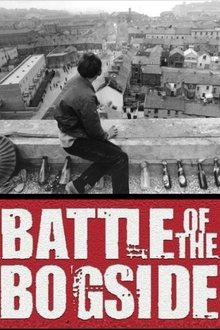
Battle of the Bogside (2004)
Feature documentary on the 3-days of riots in Derry, Northern Ireland that led to the deployment of British Troops into Derry in August 1969.
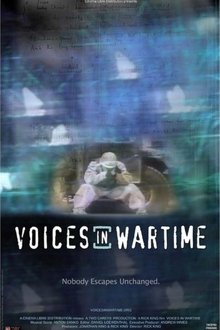
Voices in Wartime (2004)
Voices in Wartime is a 2004 documentary that explores the human experience of war through poetry. Combining interviews with soldiers, journalists, and historians, it reveals how war affects individuals and societies across time and place. The film features poets from around the world – from Homer and Wilfred Owen to Shoda Shinoe and modern writers in Iraq and Nigeria – showing how poetry expresses the pain, trauma, and truth of conflict. By linking verse with real-life accounts, Voices in Wartime highlights how poetry helps us understand the emotional and moral impact of war.
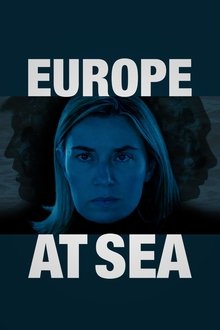
Europe at Sea (2017)
Exclusive access to chief diplomat of the EU Federica Mogherini as Europe faces a crumbling world order.
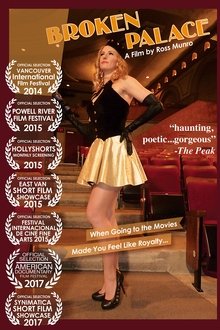
Broken Palace (2014)
A short documentary about the rapidly disappearing era of heritage movie palaces and the film going experience once offered within those hallowed walls.
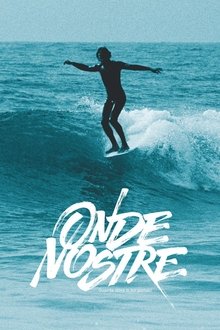
Onde Nostre (2010)
Onde Nostre is a lifestyle documentary film that shows the peculiarity of the Italian surf scene and the beauty of this sport, even in a country that's not usually considered a top destination for catching waves. With this film we intend show the passion and high level of the Italian surfers. The film is shot mainly in 16mm and super 8 and only a small part is shot digital in order to emphasize the beauty of the landscape. The film has a romantic approach to surfing. Action has a great relevance, with slow motion segments and an emotional editing. Onde Nostre also shows Italian surfers lifestyles and the endless search for good waves in the Mediterranean sea.
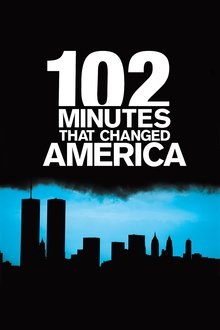
102 Minutes That Changed America (2008)
The morning of September 11, 2001 is shown through multiple video cameras in and around New York City, from the moment the first WTC tower is hit until after both towers collapse.
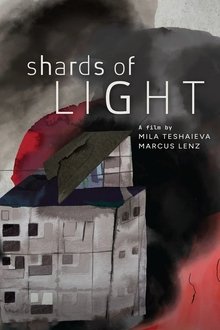
Shards of Light (2025)
The residents of Bucha, Ukraine, are rebuilding their city from the rubble after surviving the horrors of Russian occupation. A newly married couple, a schoolgirl, a city official, and an elderly housewife have all endured the painful experiences of war, yet they manage to hold onto hope and solidarity. But how do you rebuild in the wake of growing trauma, especially with war still raging in your country? As time hopes for a peaceful life fade, they must grapple with mounting tensions within their communities. Shot over a three-year period, the film is a follow-up to When Spring Came To Bucha, as five protagonists navigate the complex terrain of inner conflicts, trauma, and a longing for justice, posing questions about the future of a society at war.