In 1968, art students Storm Thorgerson and Aubrey “Po” Powell made a trippy photo collage for their musician friends Syd, David and Roger. The resulting album and album cover, A Saucerful of Secrets, helped launch two careers: that of Pink Floyd, one of the 70s megabands, and of Hipgnosis, which, over the course of the next 25 years, designed a stream of iconic album covers.
Related Movies

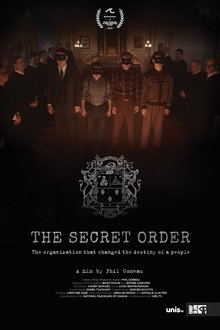
The Secret Order (2022)
Phil Comeau shines a spotlight on the Ordre de Jacques-Cartier, a powerful secret society that operated from 1926 to 1965, infiltrating every sector of Canadian society and forging the fate of French-language communities. Through never-before-heard testimony from former members of the Order, along with historically accurate dramatic reconstructions, this film paints a gripping portrait of the social and political struggles of Canadian francophone-minority communities.

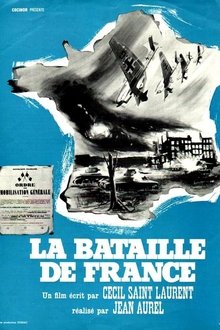
The Battle of France (1964)
A montage of newscasts tracing the events of the "damned war" and the German invasion of 1940.
The Reformation: Age of Revolt (1973)
This educational documentary describes the political, social, and religious conditions of sixteenth century Europe. It also Interprets the reforms of Martin Luther as a part and/of these conditions as indications of future trends.
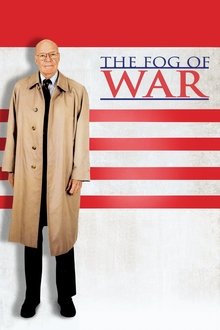
The Fog of War (2003)
Using archival footage, cabinet conversation recordings, and an interview of the 85-year-old Robert McNamara, The Fog of War depicts his life, from working as a WWII whiz-kid military officer, to being the Ford Motor Company's president, to managing the Vietnam War as defense secretary for presidents Kennedy and Johnson.

a-ha: The Movie (2021)
When "Take On Me" reached nr 1 on Billboard in the US in 1985, the dream came true. Or did it? The band was not prepared for what the success could bring, including tension between the three band members.
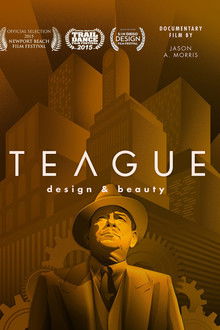
Teague: Design & Beauty (2014)
A documentary on the life and work of the American designer, Walter Dorwin Teague. It's the story of a poor young farm boy who travels to New York City to become an artist, but ends up creating the new profession of industrial design that helps shape modern America
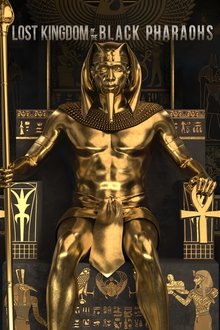
Lost Kingdom of the Black Pharaohs (2019)
The Kush Empire was an ancient superpower that dominated the Nile Valley and rivaled the Egyptians, and now, a new, cutting-edge investigation at a mysterious tomb could reveal the secrets of this formidable lost kingdom.

Wuthering Heights: Love, Hate and Vengeance (2022)
In 1847, British writer Emily Brontë (1818-48), perhaps the most enigmatic of the three Brontë sisters, published her novel Wuthering Heights, a dark romance set in the desolation of the moors, a unique work of early Victorian literature that stunned contemporary critics.
Harrods: The Rise & Fall of a British Institution (2025)
The history of arguably the most famous shop in the world, which has been based on Brompton Road in London for more than 175 years, employs more than 6,000 people and still welcomes 15 million customers every year. This documentary tells the story of the people behind the department store, including Robin Harrod, the great-great-grandson of the store's founder, and culminates with the recent allegations against former chairman Mohamed Al-Fayed
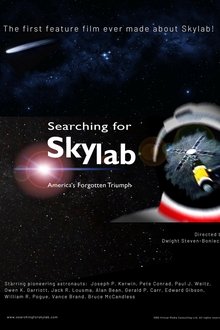
Searching for Skylab, America's Forgotten Triumph (2019)
The first American space station Skylab is found in pieces scattered in Western Australia. Putting these pieces back together and re-tracing the Skylab program back to its very conception reveals the cornerstone of human space exploration.


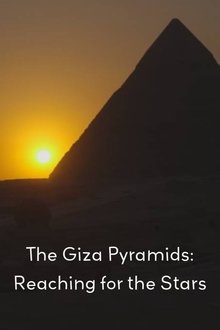
The Giza Pyramids: Reaching for the Stars (2023)
Explores the Pyramids of Giza as Egyptologists try to unravel the mysteries and decipher the clues behind these stone giants built over 4,500 years ago.
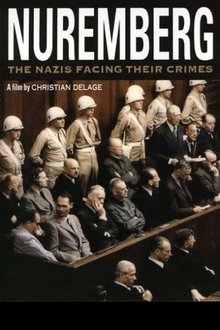
Nuremberg: The Nazis Facing their Crimes (2006)
The documentary of the Nuremberg War Trials of 21 Nazi dignitaries held after World War II.
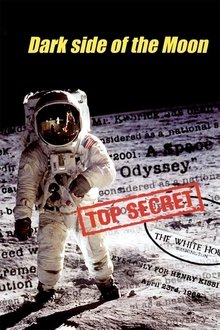
Dark Side of the Moon (2002)
A French documentary or, one might say more accurately, a mockumentary, by director William Karel which originally aired on Arte in 2002 with the title Opération Lune. The basic premise for the film is the theory that the television footage from the Apollo 11 Moon landing was faked and actually recorded in a studio by the CIA with help from director Stanley Kubrick.