This animated film dramatizes the danger of working in oxygen-deficient conditions. It was intended for viewing by mine and construction workers in order to promote safety and prevent accidents.
Related Movies

Maple Town's Traffic Safety (1987)
Animals of Maple Town teach you about traffic safety and how to properly follow traffic laws and rules.
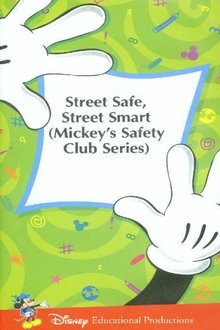
Mickey's Safety Club: Street Safe, Street Smart (1989)
Mickey and his friends take a close look at important street safety situations and tips.

The Story of Ebola (2015)
The story features a young girl whose grandfather dies from Ebola and puts the rest of her family at risk. The film makes visible the invisible Ebola germs to help people realize how Ebola spreads and how to protect themselves. Critical messages are woven through the story so that people better understand Ebola, see themselves within the context of an outbreak, and learn how to keep themselves safe from the disease and protect their communities.

The Cautious Twins (1960)
The animated adventures of twins Dan and Darlene, who spend their time dodging the innumerable adult predators in their city.

Sniffy Escapes Poisoning (1967)
A boy travels with his sick dog Sniffy to his medicine cabinet, where pills and other medicines sing the dangers of taking medicines without adult supervision.
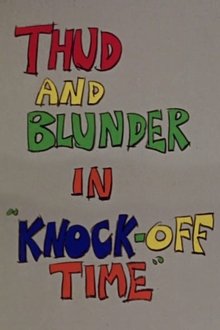
Thud and Blunder in "Knock-Off Time" (1964)
Thud and Blunder learn what not to do while in a coal mine.

Mining Review 2nd Year No. 11 (1949)
The 23rd issue of the long running industry cinemagazine. Features the articles: 'Safety First', 'Paying For It' and ' A Star Drops In'.

Semi-Conscious: Driving in the Real World (1996)
A group of hip '90s teens educate new drivers about how to conduct themselves around semi-trucks on the freeway.

The Smoke Detectives (1990)
Starring SCTV's Joe Flaherty as Count Floyd, this fire safety video is a rare classic. It's still taught in some schools today, it's that comprehensive and entertaining.
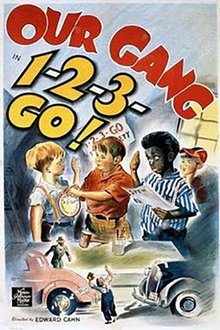
1-2-3-Go! (1941)
While playing baseball, Mickey runs into the street to catch a fly ball and is struck by a car. When the gang visit him in the hospital they are appalled to find the ward populated by many other children injured in automobile accidents. The Our Gang kids resolve to do something about the problem, and thus the "1-2-3-Go Safety Society" is born.
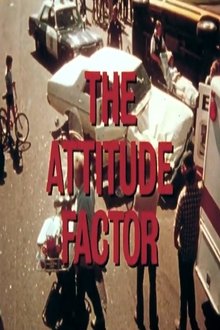
The Attitude Factor (1981)
A 1981 educational film about the perils of school bus drivers having a bad attitude while on the job. Follow Barbara, a model employee... until she developed a bad attitude and let it effect her job performance.

Ambush - Tool of Terror (1976)
Discusses strategies for police officers to anticipate and respond to ambush situations. It highlights the importance of planning, training, and teamwork in counter-ambush tactics. The text emphasizes the need for officers to remain vigilant, vary their routines, and utilize effective communication to minimize risks during potential threats.


What Price Safety! (1938)
Racketeers muscle in on construction business, use inferior materials, make big profits and endanger the public safety.
Skateboard Sense (NaN)
Safety film from the late 70s/early 80s about the (then) new hobby of skateboarding. Produced by Sid Davis.
Journey of the Steal-Proof Master (2002)
Eldred the wizard and his two young apprentices guide Richy, the "boy from the future," on a magical journey that prepares him for his encounter with the ten evil warriors and their loathsome master. This inventive fairy tale is a stranger danger educational adventure that helps children learn and respond appropriately to the ten most common lures used by child predators.
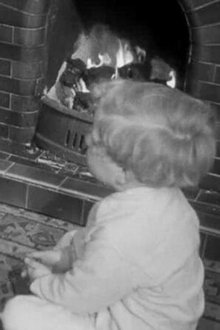
Playing with Fire (1947)
You're asking for trouble when you play with fire - and this public information film is the stuff of nightmares.
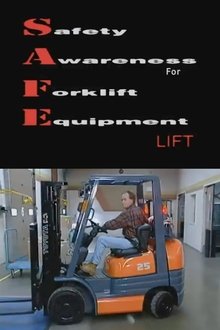
Safety Awareness for Forklift Equipment (1990)
An overview on safety precautions that protect forklift operators on the job.
Emergency First Aid Series: Burns (1980)
Discusses the seriousness of burns, categorizing them into three degrees based on depth and severity. First-degree burns affect only the surface layer of skin, while second-degree burns penetrate deeper and are more painful. Third-degree burns are the most severe, damaging skin, muscles, and nerves. First aid varies by burn severity, emphasizing the importance of cooling the burn, avoiding ointments, and seeking medical help for serious cases. Chemical burns require immediate washing with water, and specific procedures for eye exposure are outlined. Quick medical attention is crucial to prevent complications such as infection and shock.