A documentary on the origin, meanings and uses of the gesture. The shaka sign is reputed to be over a century old, but its origins are the stuff of myths and legends. It turns out that kupuna (Hawaiian elders) have kept the story secret for almost a century. Why? They didn't want it told incorrectly or commercialized. But given advancing age and a world in need, they decided it was time to share the story.
Related Movies
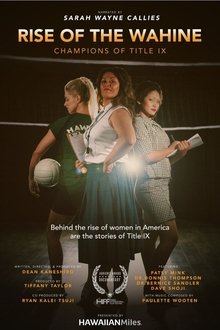
Rise of the Wahine (2014)
In the years following the Civil Rights movement and the passage of Title IX in 1972, Dr. Donnis Thompson (a headstrong African-American female coach), Patsy Mink (the first Asian-American U.S. congresswoman), and Beth McLachlin (the team captain of a rag-tag female volleyball team), battled discrimination from the halls of Washington D.C. to the dusty volleyball courts of the University of Hawaii, fighting for the rights of young women to play sports.
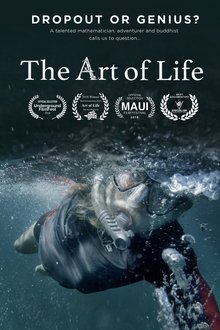
The Art of Life (2019)
As a rising star in the field of abstract mathematics, Michael discovered that he could see beauty and pattern where others could not. But his path was not to be inside academia, or even inside society. He went on a grand adventure to unify his Buddhism with his ability to see an expanded view of reality. He created beauty in a place where nobody else would, and made his friends amongst dolphins.

Follow Me (1969)
Documentary about two boys and a girl who travel to surfing spots around the world.
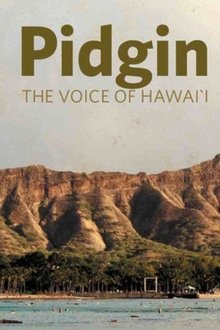
Pidgin: The Voice of Hawai'i (2009)
What if you are made to feel ashamed when you speak your "mother tongue" or ridiculed because of your accent? "Pidgin: The Voice of Hawai'i" addresses these questions through its lively examination of Pidgin - the language spoken by over half of Hawai'i's people.
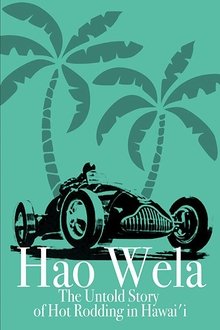
Hao Wela: The Untold Story of Hot Rodding in Hawai'i (2017)
Generations of vibrant racing communities have flourished in Hawai'i since the arrival of the first automobiles and motorcycles at the turn of the 20th century. Follow Mark Hanson, Psychology Professor and lifelong island "gearhead," as he explores the history, people and passion of the uniquely gracious speed culture that has been evolving in Hawai‘i for over a century.
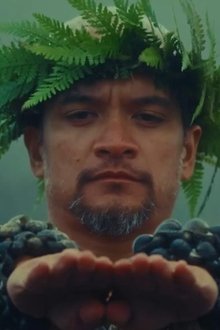
Hula is Hawaii (2024)
We take you through the legacy of an island and show you why Hula is so much more than just a beautiful dance.

Hawaii, l'âme du ukulélé (2020)
A passionate ukulele player, cartoonist Joann Sfar ("The Rabbi's Cat") flies to Hawaii to explore the history of the little instrument, as well as the culture that surrounds it. For the pocket guitar, imported in 1879 by the Portuguese from Madeira who had come to harvest sugar cane, is the vector of a philosophy specific to the archipelago: the spirit of "Aloha", which condenses hospitality, joy, love and respect. With brushes in hand, Joann Sfar set out in search of the ideal instrument, meeting craftsmen, musicians, dancers and guardians of Hawaiian culture.
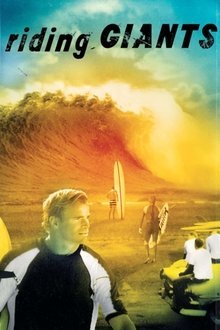
Riding Giants (2004)
Riding Giants is story about big wave surfers who have become heroes and legends in their sport. Directed by the skateboard guru Stacy Peralta.
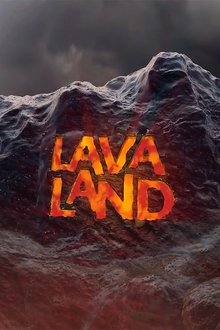
Lava Land - Glowing Hawaii (2013)
Hawaii, with its tropical rainforests and diverse coral reef is a spectacular natural paradise for travellers, surfers and all fans of breathtaking sandy beaches and lush green mountains. But life on the American island chain also has a dangerous side: permanently active volcanoes, lava caves, and even burning lava pours into the sea! Here you can see black smoke rise up, spray the red-hot magma into the sky and feel how the earth trembles. Located on the Pacific plate is unusual for volcanoes, Hawaii is thus researchers a fascinating destination. At Kilauea, the most active volcano on earth, the inhabitants have to live in constant danger found over the centuries cope. Lava Land - Glowing Hawaii takes you into the world of researchers and residents on the Big Iceland, the largest island of Hawaii.
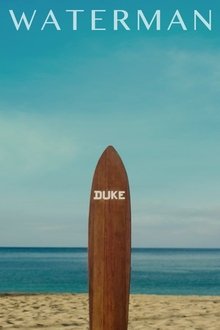
Waterman (2022)
Five-time Olympic medalist and Native Hawaiian Duke Paoa Kahinu Mokoe Hulikohola Kahanamoku shattered records and brought surfing to the world while overcoming a lifetime of personal challenges. Waterman explores his journey and legacy as a legendary swimmer, trailblazer, and the undisputed father of modern-day surfing, following the sport’s first-time inclusion in this year’s Summer Olympics – a fitting tribute to his work promoting the sport around the globe.
George Was the Last of His Kind (2019)
Snails in Hawaii are disappearing faster than any animal on the planet. “This is happening so fast, it’s as if something really catastrophic is happening in the world right now," says scientist Dave Sischo, who is fighting to save Hawaii's snail populations.
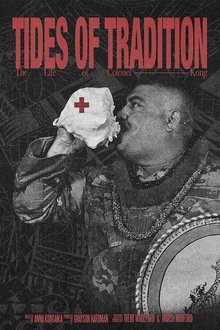
Tides of Tradition: The Life of Colonel Kong (2024)
Robert Kongaika runs from his family to join the military and becomes the first Tongan US Air Force Colonel. This is the true story of the island traditions, faith, and family that made him into the father he is today.

Samuel Wilder King: Fighting for Statehood (2018)
Samuel Wilder King, a descendant of Scottish sailors and Hawaiian royalty, served as a distinguished Naval officer in both World Wars before becoming Governor of the Hawaii Territory. This short film delves into King’s fearless leadership—from navigating the high seas during WWI to fighting against the internment of Japanese Americans in Hawaii during WWII—ultimately championing Hawaii's path to statehood as the 50th star on the American flag.
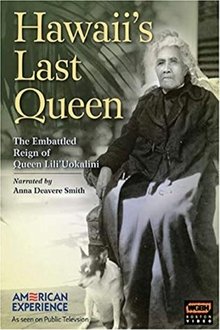
Hawaii's Last Queen (1997)
Honeymooners, tourists and surfers flock to Hawaiian shores every year, but life wasn't always serene in the tropical paradise. In the 1890s, the islands -- ruled by Queen Liliuokalani -- faced financial ruin thanks to colonial business interests and the U.S. government, which rescinded Hawaii's preferential sugar market position. "The American Experience" recounts the events and intrigues that resulted in the monarch's ouster ... at gunpoint.
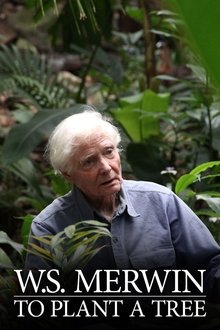
W.S. Merwin: To Plant a Tree (2016)
A documentary on the life and work of Poet Laureate, two-time Pulitzer winner, and environmental activist W.S. Merwin.
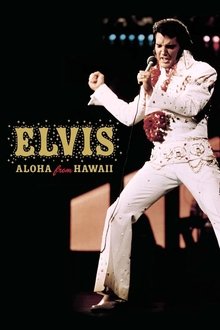
Elvis - Aloha from Hawaii (1973)
A 1973 concert by Elvis Presley that was broadcast live via satellite on January 14, 1973. The concert took place at the Honolulu International Center in Honolulu and aired in over 40 countries across Asia and Europe. Viewing figures have been estimated at over 1 billion viewers world wide, and the show was the most expensive entertainment special at the time, costing $2.5 million.
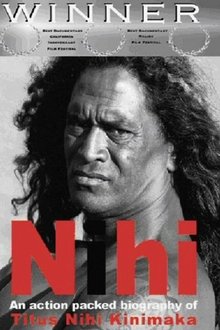
Nihi (2003)
Nihi is a film biography of Titus Kinimaka, one of the last remaining professional big-wave riders of pure Hawaiian descent. As a boy, he won surf contests against those twice his age; by his teens, he was recognized as one of the best surfers to have ever hit the waves. In 1996 at age 41, Titus was named Waterman of the Year by the Hawaiian Lifeguard Association for outstanding rescues as a lifeguard. He has spent over twenty years spreading aloha spirit, traveling the world as an ambassador for surfing and Hawaiian culture
Hula Girls: Imagining Paradise (NaN)
A deliciously compelling look under the lei, and why the Hula Girl is one of the most potent and sexually alluring images in popular culture today.