Filmmaker Gary Kaunonen of KCC-TV in International Falls just released a new documentary about a pivotal time in Northern Minnesota’s labor history. It’s called “Northern Minnesota’s Labor Wars.” The years 1916 and 1917 brought major labor uprisings in the mines of the Mesabi Iron Range and the lumber camps of the state’s far northern pine forests. These events not only shaped local history, but became vital turning points in the national and international labor movement.
Related Movies
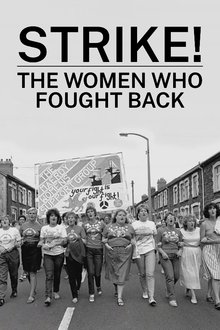
Strike! The Women Who Fought Back (2024)
In their own words, this is the story of six women from the South Wales valleys and how they helped sustain the bitter year-long miners' strike, changing their lives forever.

These were the reasons (2011)
This film takes us into the harsh realm of BC's early coal mines, canneries, and lumber camps; where primitve conditions and speed-ups often cost lives. Then, the film moves through the unemployed' struggles of the '30s, post WWII equity campaigns, and into more recent public sector strikes over union rights.
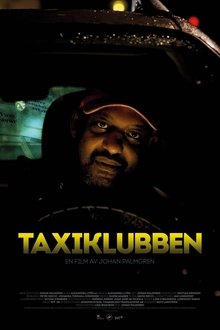
Taxiklubben (2017)
Allonias decides that enough is enough. He works 12-13 hours driving his taxi every day and still has no money left to pay for rent and clothes for their three children. He begins a battle against Sweden’s largest taxi company owned by billionaire Rolf Karlsson. It leads to Rolf Karlsson selling the entire empire for around 2-3 billion SEK. But for Allonias it has a high price…

Railroad Man (1967)
The story of the railroad man in his role in keeping the trains moving on the rails.
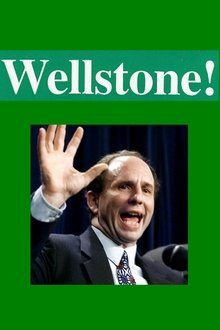
Wellstone! (2004)
Paul Wellstone was the charismatic Minnesota progressive who used grassroots organizing to get elected and give ordinary people a stake in government. His 3rd election campaign was cut short when his small plane crashed into the north woods of Minnesota just 11 days before the 2002 election. Wellstone! explores the origin of his politics, his controversial road to the United States Senate, his deep bond with his wife and 'co-senator' Sheila, and the legacy of a life of progressive populism.
Pouvoir Oublier (2025)
Pouvoir Oublier is a political documentary first constructed from the words of the speakers whose lives changed on the tragic day of May 10, 1972 in Sept-Îles. Their word will be juxtaposed with archival material from the events, some of which are unpublished, which will reflect the collective euphoria in which Sept-Îles and all of Quebec were then bathed.
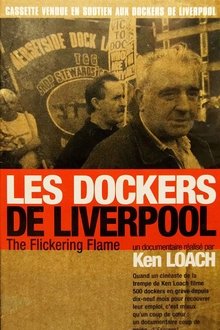
The Flickering Flame (1996)
Documentary following dockers of Liverpool sacked in a labour dispute and their supporters’ group, Women of the Waterfront, as they receive support from around the world and seek solidarity at the TUC conference.
The Miners' Strike and Me (2014)
Documentary marking the 30th anniversary of the 1984 miners' strike, one of the bitterest industrial disputes in British history, with stories from both sides of the conflict.
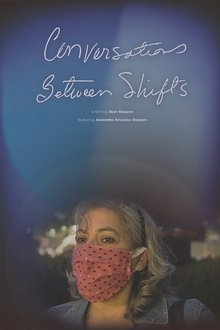
Conversations Between Shifts (2021)
A portrait of Chicagoland ICU nurse Jeanette Alvarez-Basem captured through the perspective of her son Ben Basem. Between her night shifts and Illinois Nurses Association union meetings, Jeanette navigates what it means to be a nurse and a human during the first year of the COVID-19 pandemic.
The Seafarers (1953)
Stanley Kubrick’s first color film, commissioned by the Seafarers International Union to promote the benefits of union membership. Shot inside the union’s Atlantic and Gulf Coast District facilities, it features scenes of ships, machinery, cafeteria life, and meetings, highlighting the daily routines and camaraderie of seafarers. Thought lost for decades, the film was rediscovered in 1973 and preserved by the Library of Congress.

A Vision in the Darkness (1991)
Through the eyes of a Quebec Jewish activist, Lea Roback, feminist, unionist, pacifist and communist, A VISION IN THE DARKNESS proposes a modernist vision of Quebec history, from the beginning of the twentieth century to the period knows as « La Grande Noirceur », the Great Darkness.
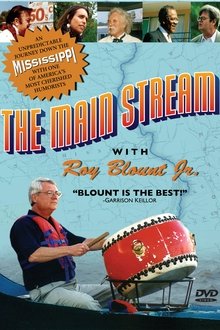
The Main Stream (2002)
Humorist Roy Blount Jr. takes viewers on a journey down the Mississippi River, showcasing everything from areas with spectacularly beautiful scenery to ugly and dangerously polluted stretches bordered by industrial development.
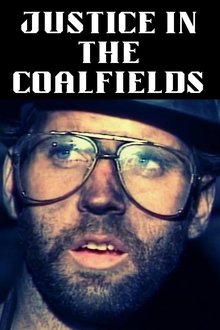
Justice in the Coalfields (1995)
This film demonstrates how labor law has crippled the collective bargaining power of unions and weighed the scales of justice against working people. The documentary follows the 1988 United Mine Workers strike against the Pittston Coal Company that followed the expiration of their contract and Pittston's termination of the medical benefits of 1,500 pensioners, widows, and disabled miners.
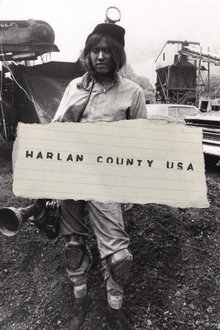
Harlan County U.S.A. (1977)
This film documents the coal miners' strike against the Brookside Mine of the Eastover Mining Company in Harlan County, Kentucky in June, 1973. Eastover's refusal to sign a contract (when the miners joined with the United Mine Workers of America) led to the strike, which lasted more than a year and included violent battles between gun-toting company thugs/scabs and the picketing miners and their supportive women-folk. Director Barbara Kopple puts the strike into perspective by giving us some background on the historical plight of the miners and some history of the UMWA. Preserved by the Academy Film Archive in partnership with New York Women in Film & Television in 2004.

The Road Taken (1996)
This 1996 documentary takes a nostalgic ride through history to present the experiences of Black sleeping-car porters who worked on Canada's railways from the early 1900s through the 1960s. There was a strong sense of pride among these men and they were well-respected by their community. Yet, harsh working conditions prevented them from being promoted to other railway jobs until finally, in 1955, porter Lee Williams took his fight to the union.
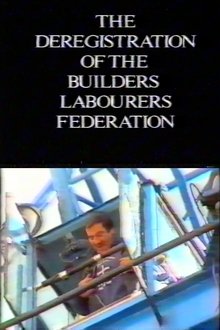
The Deregistration of the Builders Labourers Federation (1992)
Chronicles the industrial action leading up to the deregistration of the Builders Labourers Federation.
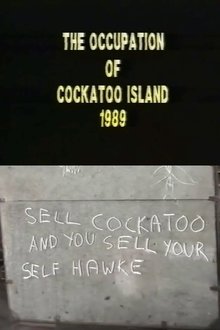
The Occupation of Cockatoo Island 1989 (NaN)
Documents the Cockatoo Island Dockyard occupation and industrial actions of 1989.


Betrayal: When the Government Took Over the Teamsters Union (2019)
In a highly controversial move, the Justice Department used the RICO statute to take over the entire International Brotherhood of Teamsters, denying free speech and due process for 1.4 million union members over a 30 year period. 'Betrayal: When the Government Took Over the Teamsters Union' explores how the Justice Department violated the law and failed to protect constitutional rights of union members.