A basketball team born out of an egg, in a hockey-crazed city, playing in a baseball stadium, fights for survival and ultimately conquers a nation and the league. This documentary offers an in-depth look at how a fledgling franchise transformed into a cultural phenomenon, uniting communities and reshaping Canada's identity.
Related Movies
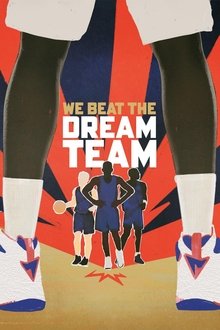
We Beat the Dream Team (2025)
Discover the little-known story of a group of college basketball players who were tasked with preparing Larry Bird, Magic Johnson, and Michael Jordan and the rest of the legendary "Dream Team" for their Olympic debut in 1992.
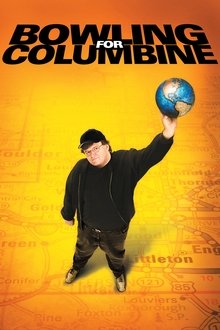
Bowling for Columbine (2002)
This is not a film about gun control. It is a film about the fearful heart and soul of the United States, and the 280 million Americans lucky enough to have the right to a constitutionally protected Uzi. From a look at the Columbine High School security camera tapes to the home of Oscar-winning NRA President Charlton Heston, from a young man who makes homemade napalm with The Anarchist's Cookbook to the murder of a six-year-old girl by another six-year-old. Bowling for Columbine is a journey through the US, through our past, hoping to discover why our pursuit of happiness is so riddled with violence.
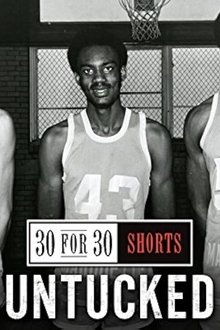
Untucked (2014)
In 1977, Marquette coach Al McGuire let his star player, Bo Ellis, design the team's uniforms. The most iconic, the untucked jersey, signified the power of uniforms and the benefits of a creative atmosphere, which allowed a Championship team to flourish.

Divine Providence (2024)
In 2011, Providence College would hire Providence native Ed Cooley as Head Coach of the Friars' Men's Basketball team. In 2022, he would win the school their first Big East Regular Season Title in school history. In 2023, he would leave for their hated rival, Georgetown University. Why did he leave?

Inbound (2025)
Documenting the shared trajectory between Canada’s rise as a global basketball powerhouse and the circumstances that helped shape the country’s multicultural identity.
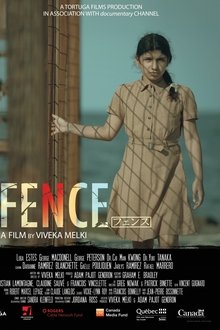
The Fence (2020)
Two thousand Canadians suffered the longest incarceration anywhere in the Second World War, a bitter four-year period inside Japanese POW camps in Hong Kong and Japan.
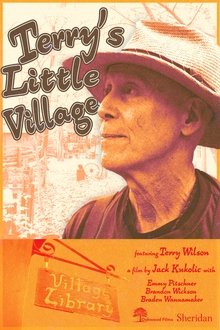
Terry's Little Village (2024)
Terry Wilson is a 70-year-old lifelong resident of Meadowvale Village, Ontario's first heritage district. As development looms and begins to destroy Terry's favourite place in the world, he recreates pieces of history in his backyard, crafting an oasis where it feels like nothing has changed. A beautiful tribute to his childhood, his mother, and his town, Terry passionately fights to preserve history in a world that's too anxious for change.

These were the reasons (2011)
This film takes us into the harsh realm of BC's early coal mines, canneries, and lumber camps; where primitve conditions and speed-ups often cost lives. Then, the film moves through the unemployed' struggles of the '30s, post WWII equity campaigns, and into more recent public sector strikes over union rights.

Luc Longley: One Giant Leap (2021)
How a “gentle giant” from Fremantle, Australia, ended up playing alongside Michael Jordan on the “greatest team of all time.”
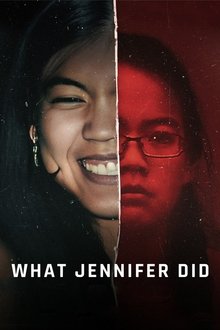
What Jennifer Did (2024)
When Jennifer Pan calls 911 to report that her parents have been shot, she becomes the primary focus of a captivating criminal case.
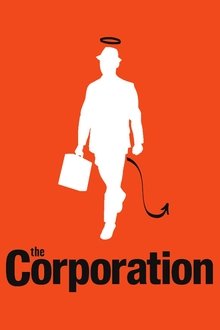
The Corporation (2003)
Since the late 18th century American legal decision that the business corporation organizational model is legally a person, it has become a dominant economic, political and social force around the globe. This film takes an in-depth psychological examination of the organization model through various case studies. What the study illustrates is that in the its behaviour, this type of "person" typically acts like a dangerously destructive psychopath without conscience. Furthermore, we see the profound threat this psychopath has for our world and our future, but also how the people with courage, intelligence and determination can do to stop it.
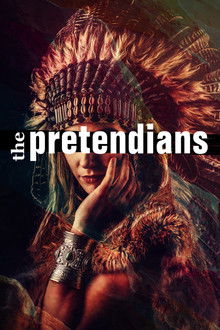
The Pretendians (2022)
Anishinaabe author Drew Hayden Taylor investigates how — and why — Indigenous identity, culture and art are being appropriated by those who are not First Nations.
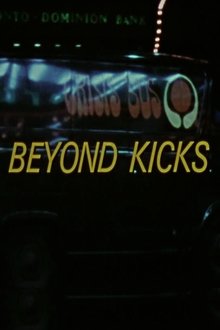
Beyond Kicks (1972)
In the early 1970s, a group of young volunteers, the Free Youth Clinic of Winnipeg, operated a "crisis bus" to rescue young people experiencing bad drug trips, usually from LSD.

Playing for the Mob (2014)
The story of how mobster Henry Hill - played by Ray Liotta in Martin Scorsese 1990 classic, Goodfellas - helped orchestrate the fixing of Boston College basketball games in the 1978-79 season. The details of that point-shaving scandal are revealed for the first time on film through the testimony of the players, the federal investigators and the actual fixers. Playing For The Mob may be set in the seemingly golden world of college basketball, but like Goodfellas, this is a tale of greed, betrayal and reckoning. Ultimately, they both share the same message: With that much money at stake, you can't trust anybody.
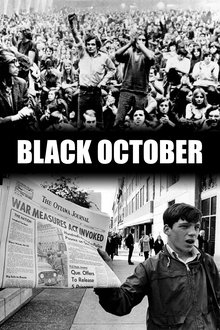
Black October (2000)
A documentary recounting the kidnappings of British Trade Commissioner James Cross and Quebec Vice-Premier & Minister of Labour Pierre Laporte by the FLQ on October 5, 1970 in Quebec.

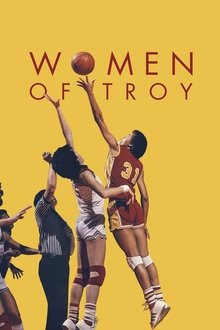
Women of Troy (2020)
Women of Troy is an HBO Sports documentary exploring the transcendent career of the Cheryl Miller-led USC Trojans and their impact on women’s basketball.

The Tall Ships in Canada (2000)
Captures the highlights of the weekend in July of 2000 when 80 of the world's tall ships arrived in Halifax Harbour before the start of the race back across the Atlantic Ocean for a trans-Atlantic race.

Breakaway (2021)
Maya Moore was one of the best women’s basketball players in the world when she stepped away from the sport in 2019 for a remarkable reason: to fight for a man she believed was wrongly imprisoned. “Breakaway” chronicles a search for justice, and a relationship that changed the lives of two people forever.
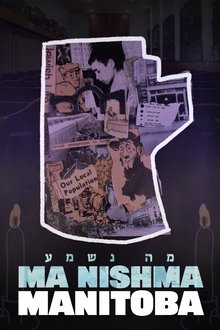
Ma Nishma Manitoba (2021)
From challah to immigration to the wandering Jew, Ma Nishma Manitoba is a mid-length documentary that explores Manitoban Jewish stories of identity and history. Filmmakers Johanna and Sara put their own experiences in local context by chatting with several Jewish Manitobans, including a rabbi, politician, artist, Israeli immigrant, and others. Archival materials, illustrations, and stop animations connect history with present-day opinions and stories, as Sara and Johanna explore what being Jewish in Manitoba means to them and others.