It was the year 1984 when a group of architects decided to organize a one night music band as a New Year's party joke in Kaunas, Lithuania. The joke proved to be so good that rumors about the new exciting rock band spread from lips to lips and soon their intellectual circus grew into the Rock Marches - massive events involving thousands of people - that transformed into the big meetings for Lithuanian Independence later named the Singing Revolution. This is the story about the people who raised their independence with the smiles and songs regardless of the danger of the situation.
Related Movies
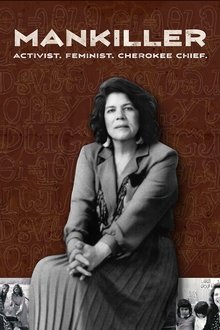
Mankiller (2017)
The story of an American hero and the Cherokee Nation's first woman Principal Chief who humbly defied all odds to give a voice to the voiceless.
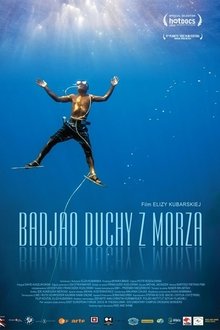
Walking Under Water (2014)
In the crystal clear waters off the coast of Borneo, a unique way of life threatens to disappear forever. For generations, the Badjao were oceanic nomads, living in harmony with the sea as fishermen and free divers. Nowadays, however, only a few Badjao remain, like Alexan, who still remembers the old ways. He hopes to pass his knowledge along to his ten-year-old nephew Sari, but time and opportunities are running out. Sari loves the sea, but it can only offer a hard life of subsistence fishing, while the nearby tourist resort sings a siren song of easy money.
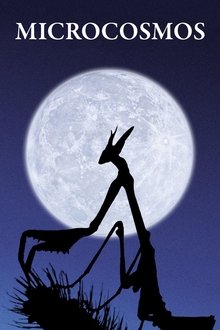
Microcosmos (1996)
A documentary of insect life in meadows and ponds, using incredible close-ups, slow motion, and time-lapse photography. It includes bees collecting nectar, ladybugs eating mites, snails mating, spiders wrapping their catch, a scarab beetle relentlessly pushing its ball of dung uphill, endless lines of caterpillars, an underwater spider creating an air bubble to live in, and a mosquito hatching.
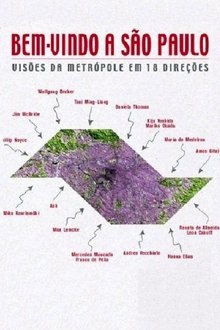
Welcome to São Paulo (2004)
All the feature is given prestige to by the narration in Caetano Veloso's voice, that also signs one of the segments of the project. São Paulo is the largest city of the Southern Hemisphere, with an incessant dynamics of cultural mixtures, with immigrants of all the world and migrants of all parts of Brazil. The gathering of these peculiarities are seen through the 13 film directors's sensibilities and their segments.

Maximum Pleasure (2014)
Extravagantly expensive massaging mats, rejuvenating ampoules and sets of steam pots are only a few of the vast spectrum of objects sold by young salesmen at suspicious commercial presentations for old-age pensioners. Protagonists of the film are five friends fascinated by such presentations. They spend their savings on such products not out of necessity, but in the attempt to fill the emptiness in their lives. The absurdity of these purchases shows their fight against getting old and against their loneliness.
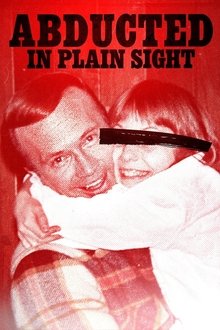
Abducted in Plain Sight (2017)
A family falls prey to the manipulative charms of a neighbor, who abducts their adolescent daughter. Twice.
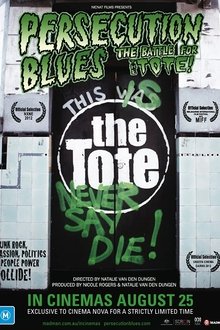
Persecution Blues: the Battle for the Tote! (2011)
In 2010, the iconic Tote Hotel – last bastion of Melbourne’s vibrant music counterculture – was forced to close by unfair laws. Filmed over 7 years, “Persecution Blues” depicts the struggle of more than 20,000 fans – and the bands who inspire them – to preserve their history and protect their future, and puts the audience on the front line of an epic-scale culture war.
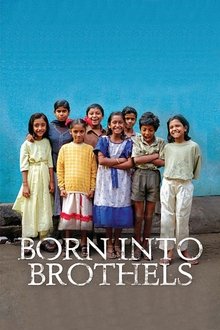
Born Into Brothels: Calcutta's Red Light Kids (2004)
Documentary depicting the lives of child prostitutes in the red light district of Songachi, Calcutta. Director Zana Briski went to photograph the prostitutes when she met and became friends with their children. Briski began giving photography lessons to the children and became aware that their photography might be a way for them to lead better lives.
God's Ways (2006)
A dual portrait of young drifters on the streets of Odessa, where every day seems the same and the future keeps getting further away.
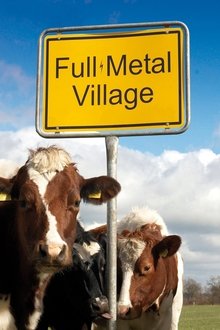
Full Metal Village (2007)
The film describes the microcosmos of the small village Wacken and shows the clash of the cultures, before and during the biggest heavy metal festival in Europe.

Dig! (2004)
A documentary on the once promising American rock bands The Brian Jonestown Massacre and The Dandy Warhols. The friendship between respective founders, Anton Newcombe and Courtney Taylor, escalated into bitter rivalry as the Dandy Warhols garnered major international success while the Brian Jonestown Massacre imploded in a haze of drugs.
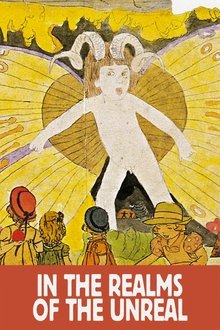
In the Realms of the Unreal (2004)
In the Realms of the Unreal is a documentary about the reclusive Chicago-based artist Henry Darger. Henry Darger was so reclusive that when he died his neighbors were surprised to find a 15,145-page manuscript along with hundreds of paintings depicting The Story of the Vivian Girls, in What is Known as the Realms of the Unreal, of the Glodeco-Angelinnian War Storm, Cased by the Child Slave Rebellion.
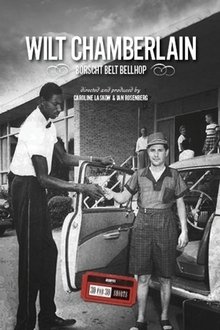
Wilt Chamberlain: Borscht Belt Bellhop (2013)
In 1954, before his senior year of high school, Wilt Chamberlain took a summer job that would change his life, working as a bellhop at Kutsher's Country Club, a Jewish resort in the Catskill Mountains. An unexplored and pivotal chapter in the life of one of basketball's greatest players, and a fascinating glimpse of a time when a very different era of basketball met the Borscht Belt in its heyday.
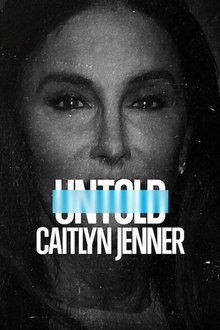
Untold: Caitlyn Jenner (2021)
Caitlyn Jenner's unlikely path to Olympic glory was inspirational. But her more challenging road to embracing her true self proved even more meaningful.
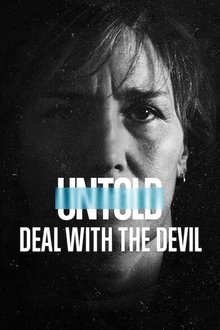
Untold: Deal with the Devil (2021)
Christy Martin broke boundaries and noses as she rose in the boxing world, but her public persona belied personal demons, abuse and a threat on her life.
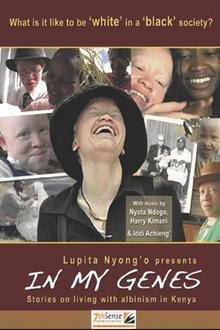
In My Genes (2009)
Agnes may not seem like someone with much to laugh about. For one thing, she has albinism - a lack of pigment in the skin, hair and eyes - and her appearance has provoked prejudice from family, friends and strangers since she was born. But despite all odds, Agnes refuses to lead a life of sorrow. This fascinating and inspiring documentary also shares the stories of seven other people's individual experiences of living their lives with albinism in Kenya, a predominantly black society. While each person's story is unique, they all have one thing in common: they know what it is like to stand out uncomfortably from the crowd.
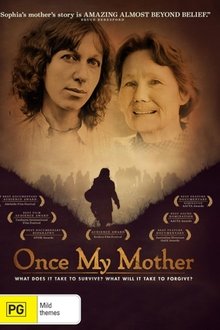
Once My Mother (2014)
Australian filmmaker Sophia Turkiewicz investigates why her Polish mother abandoned her and uncovers the truth behind her mother's wartime escape from a Siberian gulag, leaving Sophia to confront her own capacity for forgiveness.
Liberators Take Liberties (1992)
Helke Sander interviews multiple German women who were raped in Berlin by Soviet soldiers in May 1945. Most women never spoke of their experience to anyone, due largely to the shame attached to rape in German culture at that time.
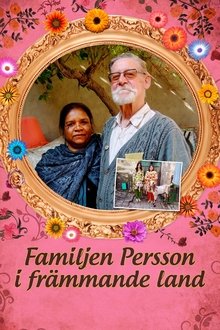
Displaced Perssons (2013)
Per Persson left Sweden 40 years ago. In Pakistan he fell in love and became the father of two daughters. Trouble starts when the girls grow up and the family decides to emigrate to Sweden. When they end up living in a caravan outside Hässleholm, all their expectations are dashed.