Mamay draws on traditional Ukranian and Tatar folktales for its Romeo and Juliet-like love story and parable about chivalry and the struggle for freedom. Hundreds of years ago, in the wild steppes of Crimea that form an uneasy border between East and West, Europe and Asia, nomad and farmer, the proud Cossack Mamay falls in love with the Tatar beauty Omai. The title, like the storyline, holds a variety of different meanings taken from different cultures. In Turkic languages, it means "no one," but it was also the name of a famous Mongol conqueror, the great grandson of Ghengis-Khan. In Persian legends, mamay literally means "the spirit of the steppes. "
Related Movies
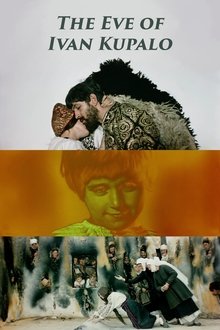
The Eve of Ivan Kupalo (1968)
Petro is a modest farmhand living in an impoverished village in some unspecified long-ago era. He wants to marry the lovely Pidorka, but her stern father won't hear of it. The mischievous demon Basavriuk, offers a deal, enticing Petro into crime for the sake of fortune. Based on Nikolai Gogol’s short story “The Eve of Ivan Kupala” (“St John’s Eve”) and Ukrainian folk tales.
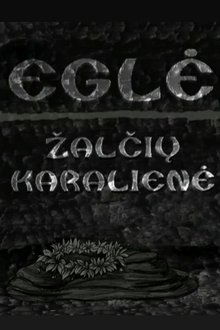
Queen of Serpents (2003)
Animation without dialogue, set with excerpts from Lithuanian folk songs, which tells a traditional Lithuanian tale in black and white images. After bathing with her two sisters, Egle goes to get dressed and discovers a snake in her clothes. Not caring about her promise, she agrees to marry the snake in exchange for the return of the clothes.

Atanarjuat: The Fast Runner (2002)
Based on a local legend and set in an unknown era, it deals with universal themes of love, possessiveness, family, jealousy and power. Beautifully shot, and acted by Inuit people, it portrays a time when people fought duels by taking turns to punch each other until one was unconscious, made love on the way to the caribou hunt, ate walrus meat and lit their igloos with seal-oil lamps.
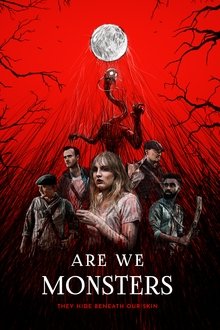
Are We Monsters (2021)
A werewolf conflicted with identity, Maya seeks to understand the two sides of herself- before the consequences become deadly.
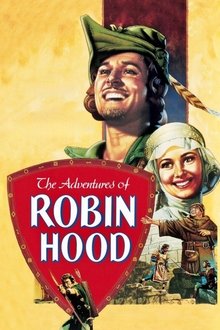
The Adventures of Robin Hood (1938)
Robin Hood fights nobly for justice against the evil Sir Guy of Gisbourne while striving to win the hand of the beautiful Maid Marian.
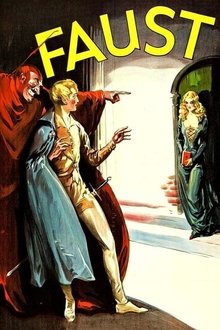
Faust (1926)
God and Satan war over earth; to settle things, they wager on the soul of Faust, a learned and prayerful alchemist.

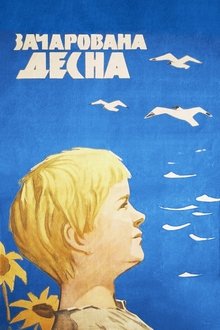
The Enchanted Desna (1964)
Based on the novel of the same name by Oleksandr Dovzhenko. About the childhood of the famous Ukrainian film director Oleksandr Dovzhenko, who was born on the ancient lands of Chernihiv, along the banks the Desna. The film consists of two parts. The first is the world shown through the impressions of the six-year-old Sashko. The second is the recollections and reasoning of Sashko, now an elderly colonel who liberates his native village during the war.
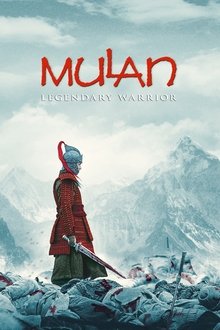
Mulan: Rise of a Warrior (2009)
When barbarian hordes threaten her homeland, the brave and cunning Mulan disguises herself as a male soldier to swell the ranks in her aging father's stead. The warrior's remarkable courage drives her through powerful battle scenes and brutal wartime strategy. Mulan loses dear friends to the enemy's blade as she rises to become one of her country's most valuable leaders — but can she win the war before her secret is exposed?

Sweeney Todd: The Demon Barber of Fleet Street (2014)
In 1846, Anthony Hope sails into London with the mysterious Sweeney Todd, a once-naive barber whose life and marriage was uprooted by a corrupt justice system. Todd confides in Nellie Lovett, the owner of a local meat pie shop, and the two become partners, as Todd swears revenge on those that have wronged him and decides to take up his old profession.

National Theatre Live: Medea (2014)
Medea is a wife and a mother. For the sake of her husband, Jason, she’s left her home and borne two sons in exile. But when he abandons his family for a new life, Medea faces banishment and separation from her children. Cornered, she begs for one day’s grace. It’s time enough. She exacts an appalling revenge and destroys everything she holds dear.
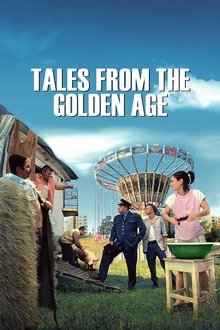
Tales from the Golden Age (2009)
Composed of six unconventional vignettes, each one dealing with the late communist period in Romania, a narrative is told through its urban myths from the perspective of ordinary people. The title refers to the alluded "Golden Age" of the last 15 years of Ceaușescu's regime.
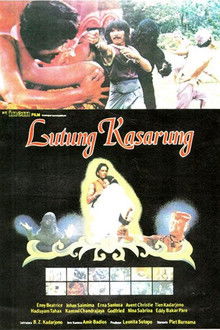
Lutung Kasarung (1983)
This legend from West Java is told thus: In heaven, among the gods, Minda's teacher, who later became Lutung Kasarung, was penned by his own mother, Sunan Ambu, for wanting to be a human being and a wife as beautiful as her mother. So he turned into a langur. He will turn into a human again when he later meets a woman who loves him.
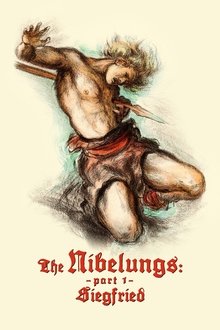
Die Nibelungen: Siegfried (1924)
Siegfried, son of King Siegmund of Xanten, travels to Worms, capital of the Burgundian kingdom, to ask King Gunther for the hand of his sister, the beautiful Kriemhild.
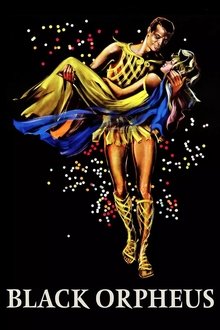
Black Orpheus (1959)
Young lovers Orfeu and Eurydice run through the favelas of Rio during Carnaval, on the lam from a hitman dressed like Death and Orfeu's vengeful fiancée Mira and passing between moments of fantasy and stark reality. This impressionistic retelling of the Greek legend of Orpheus and Eurydice introduced bossa nova to the world with its soundtrack by young Brazilian composers Luiz Bonfá and Antonio Carlos Jobim.
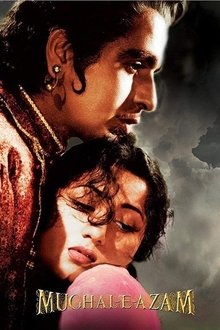
Mughal-e-Azam (1960)
In the 16th century, when Prince Salim falls in love with a beautiful courtesan named Anarkali, Emperor Akbar's disapproval leads to a battle between father and son.
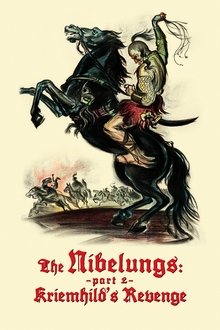
Die Nibelungen: Kriemhild's Revenge (1924)
When Kriemhild, thirsty for revenge, marries to Etzel, king of the Huns, she invites King Gunther and his court to visit them, intending to finally take the life of the man responsible of her disgrace.

Serpent's Lullaby (2014)
A reclusive woman holds the secret to a series of mysterious child disappearances in a small northern community.
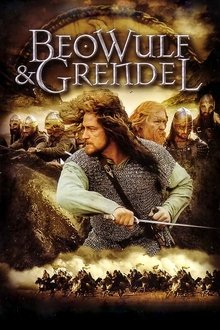
Beowulf & Grendel (2005)
The blood-soaked tale of a Norse warrior's battle against the great and murderous troll, Grendel. Heads will roll. Out of allegiance to the King Hrothgar, the much respected Lord of the Danes, Beowulf leads a troop of warriors across the sea to rid a village of the marauding monster.