Related Movies
Yefon (2015)
An illiterate village girl defies the customs of her tribe, discriminatory to women, only to become the spark of a Literary Revolution.
Coup de Torchon (1981)
A pathetic police chief, humiliated by everyone around him, suddenly wants a clean slate in life, and resorts to drastic means to achieve it.
Chimurenga - The War in Zimbabwe (1978)
A documentary covering the Second Chimurenga, the Zimbabwean War of Liberation.
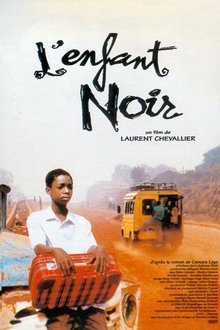
The African Child (1995)
In Kouroussa, his native village, little Baba lives happily, between Madou, his father, a gifted mechanic, Kouda, his sweet mother, and his gang of pals. Kouroussa is a wonderful place where Baba learns about life. But like all little boys Baba grows and now he is old enough to continue his studies in Conakry. He must say farewell to his village and cross all Guinea to the capital city of Guinea to live with his uncle.

Rise (2025)
A charismatic young boy who lives on a rubbish dump in Zimbabwe must convince a reclusive boxing coach to teach him to fight in order to find safety and strength in a world that has left him behind.
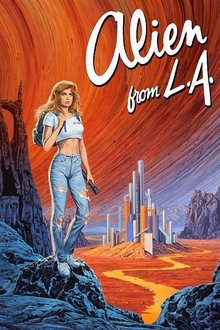
Alien from L.A. (1988)
When her archaeologist father disappears on an expedition, Wanda sets out to look for him. What she finds is a secret underground world, where no one believes in life on the surface and where she and her father are taken for spies.

Zimbabwe's Forgotten Children (2010)
A tragic account of the poverty and desperation in the once-prosperous nation of Zimbabwe.
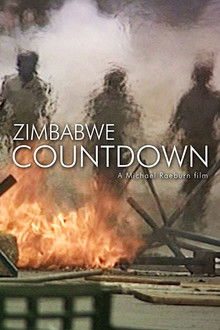
Zimbabwe Countdown (2003)
Once touted as Zimbabwe's saviour, Robert Mugabe has become synonymous with bad government and misrule. But where did it all go wrong?
Africa is a Woman's Name (2009)
The lives of three extraordinary African women from different social levels and origins determined to bring about radical transformations in their day to day realities: Kenyan attorney and reputed lawyer Njoki Ndung'u, Puthi Ragophala the committed school principal of a remote South African village and Zimbabwean housewife-entrepreneur, Amai Rosie.
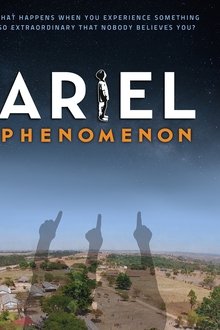
Ariel Phenomenon (2022)
Ariel Phenomenon explores an African extraterrestrial encounter witnessed by over sixty schoolchildren in 1994. As a Harvard professor, a BBC war reporter, and past students investigate, they struggle to answer the question: "What happens when you experience something so extraordinary that nobody believes you?"
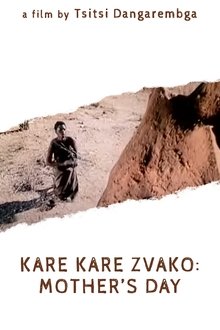
Kare Kare Zvako: Mother's Day (2005)
Drought has struck. Father pushes his wife away from the family dinner of termites. In anger, when mother challenges him, he digs a pit with a brutal purpose, but little does he suspect that Mother can retaliate just as powerfully. Based on an old Shona folk tale and rendered as a musical celebrating a diversity of contemporaray Zimbabwean music, Mother's Day is the newest and most exciting motion picture development to come out of Zimbabwe.
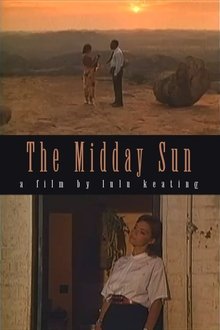
The Midday Sun (1990)
Maggie is an ordinary Canadian girl with the best of intentions who has signed on to work in a Catholic mission in Zimbabwe. With an ample supply of enthusiasm and ignorance, she consistently demonstrates her lack of understanding of the local culture. When she is robbed, she fights for the release of the man convicted of the crime and belatedly makes some attempt to understand her environment.

Black President (2015)
Exiled, yet internationally celebrated Zimbabwean artist Kudzanai Chiurai's demons come to life as he tries to flee South Africa following increasingly fractious experiences on the Johannesburg art scene. His greatest demon “Black Guilt” is one he can never shake off, this burden of having to speak for his people. But Is this responsibility really a burden at all, or is it actually a superpower? Either way, will Kudzi ever be President of His Own State of Being?
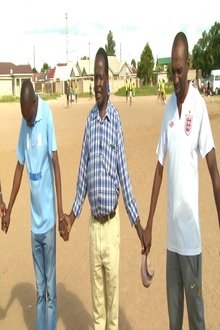
Machanic Manyeruke: The Life of Zimbabwe's Gospel Music Legend (2020)
Machanic Manyeruke is the founder of gospel music in Zimbabwe—though, his influence reaches far beyond the borders of his African country. Filmmaker James Ault places Manyeruke in his contexts and explores his influence on gospel music worldwide.
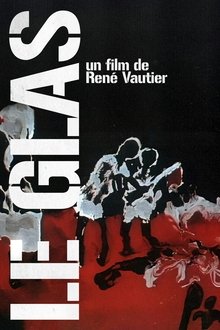
The Death Knell (1964)
At the beginning of the 1960s, in Salisbury (now Harare), in Southern Rhodesia (now Zimbabwe), the government of Ian Smith hanged three black revolutionaries who had nevertheless been pardoned by the Queen of England. René Vautier, with ZAPU (Zimbabwe African Party for Unity), denounces this killing. Expelled by the Rhodesian police (informed by the French secret services), the filmmaker shoots a film in Algeria in the form of an indictment against colonial savagery. The film was first banned in France, then authorized in 1965.
Zimbabwe (2008)
Amidst failed harvests and the threat of AIDS, Zimbabweans look for work, preferably in South Africa. But their illegal status and xenophobic whites do not make life any easier in the neighbouring state.