A compelling document of the Black Panther Party leadership in 1967. This film contains a prison interview with Minister of Defense Huey P. Newton as well as an interview with Minister of Information Eldridge Cleaver, footage of the aftermath of the police assault against the Los Angeles Chapter headquarters, demonstrations to free Huey at Hutton Memorial Park and the Alameda County Court House and a recitation of the party's Ten-Point Platform by co-founder Bobby Seale. Newsreel's 19th, and one of their most widely distributed films, it was originally released as "Off the Pig," but has since seen release under the name Black Panther. This short film features drawings from activist artist Emory Douglas.
Related Movies
Crip Camp: A Disability Revolution (2020)
Down the road from Woodstock in the early 1970s, a revolution blossomed in a ramshackle summer camp for disabled teenagers, transforming their young lives and igniting a landmark movement.
A Huey P. Newton Story (2001)
The story of how the radical Huey P. Newton developed the Black Panther Party based on his 10-point program for social reform.
Chicago 10 (2008)
Archival footage, animation and music are used to look back at the eight anti-war protesters who were put on trial following the 1968 Democratic National Convention.
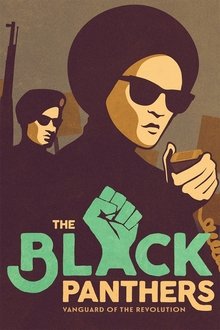
The Black Panthers: Vanguard of the Revolution (2015)
The story of the Black Panthers is often told in a scatter of repackaged parts, often depicting tragic, mythic accounts of violence and criminal activity; but this is an essential story, vibrant, human; a living and breathing chronicle of a pivotal movement that birthed a new revolutionary culture in America.
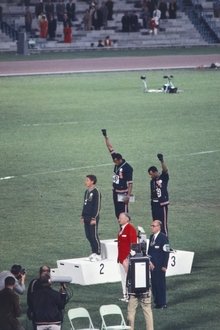
Black Power Salute (2008)
A film about one of the most iconic images of the 20th century, the moment when the radical spirit of the 1960s upstaged the greatest sporting event in the world. Two men made a courageous gesture that reverberated around the world, and changed their lives forever. This film is about Tommie Smith and John Carlos' protest at the 1968 Olympics.

Přijďte všichni (1955)
Recruitment film for general training sections of competitive gymnastics units. It shows the importance of regular exercise for recharging one's batteries so that exercisers can return to work with a clear mind.
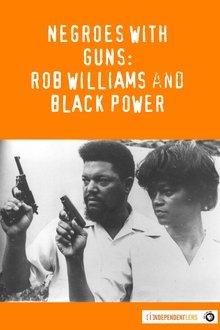
Negroes with Guns: Rob Williams and Black Power (2004)
Rob Williams was an African-American living in Monroe, North Carolina in the 1950s and 1960s. Living with injustice and oppression, many African-Americans advocated a non-violent resistance. Williams took a different tack, urging the oppressed to take up arms. Williams was stripped of his rank as leader of the local NAACP chapter, but he continued to encourage local African-Americans to carry weapons as a means of self-defense. Wanted on a kidnapping charge, Williams and his wife fled to Cuba. His radio show Radio Free Dixie could be heard in some parts of the United States.
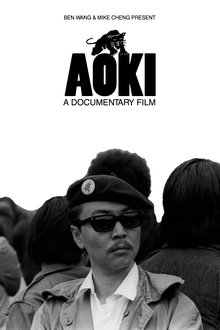
Aoki (2009)
A film documenting the life of Richard Aoki, a Japanese-American activist and founding member of the Black Panther Party.

May Day (Newsreel #29) (1969)
This film documents a rally in San Francisco sponsored by the Black Panther Party. Kathleen Cleaver, Bobby Seale, and other speakers addressed thousands of protesters demanding more rights for African Americans and calling for the release of Huey P. Newton.
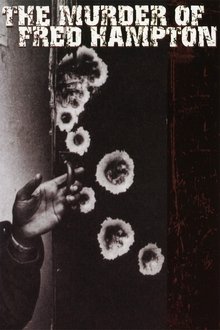
The Murder of Fred Hampton (1971)
Fred Hampton was the leader of the Illinois Chapter of the Black Panther Party. This film depicts his brutal murder by the Chicago police and its subsequent investigation, but also documents his activities in organizing the Chapter, his public speeches, and the programs he founded for children during the last eighteen months of his life.
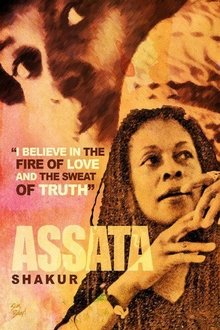
Eyes of the Rainbow (1997)
"Eyes of the Rainbow" deals with the life of Assata Shakur, the Black Panther and Black Liberation Army leader who escaped from prison and was given political asylum in Cuba, where she has lived for close to 15 years. In it we visit with Assata in Havana and she tells us about her history and her life in Cuba. This film is also about Assata's AfroCuban context, including the Yoruba Orisha Oya, goddess of the ancestors, of war, of the cemetery and of the rainbow.
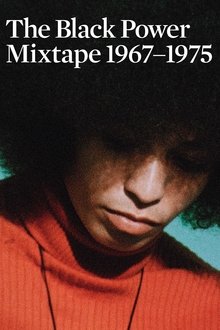
The Black Power Mixtape 1967-1975 (2011)
Examines the evolution of the Black Power Movement in US society from 1967 to 1975. It features footage of the movement shot by Swedish journalists in the United States during that period and includes the appearances of Angela Davis, Bobby Seale, Huey P. Newton, Eldridge Cleaver, and other activists, artists, and leaders central to the movement.
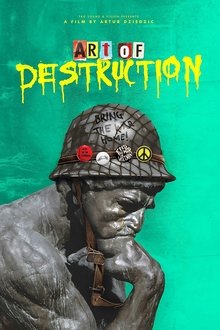
Art of Destruction (NaN)
We follow the story of The Thinker bombing at the Cleveland Museum of Art, trying to solve the mystery behind it because no one was ever caught. By following this case, we unravel the whole landscape of Cleveland and the USA in the 60s/70s - student protests, social justice movements, anti-war movements, and radical militant groups. We give a context to the bombing, which is symbolic on so many levels - it's an art piece that randomly became a target for political violence that, by being left unrepaired, became a reminder of the complicated history of the 60s/70s. The Thinker is a silent witness to this fascinating decade, looking down from his pedestal, still thinking about our place in the world as humans.
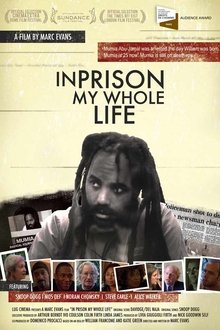
In Prison My Whole Life (2008)
William Francome is a fairly typical, white middle-class guy. Typical except for the fact that he is about to embark on a journey into the dark heart of the American judicial system; the tangled world of renowned Death Row prisoner Mumia Abu-Jamal.
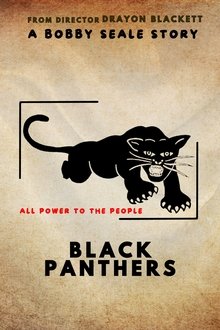
A Bobby Seale Story: Black Panthers (NaN)
This documentary follows Bobby Seale's rise as co-founder of the Black Panther Party, battling racism, government repression, and internal power struggles-staying true to his mission even when surrounded by ego, conflict, and betrayal.
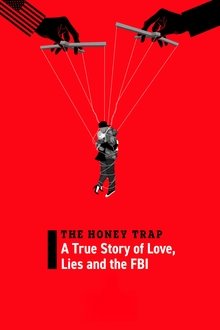
The Honey Trap: A True Story of Love, Lies and the FBI (2024)
A dramatic tale of espionage, propaganda, and romance, following the infamous Berlin rapper Denis Cuspert aka Deso Dogg and his journey from artist to MMA fighter to ISIS recruiter. When the FBI assigns a translator to monitor Cuspert, her quest to get close to him takes over her life.