There lives a couple known as "100-year-old lovebirds". They're like fairy tale characters: the husband is strong like a woodman, and the wife is full of charms like a princess. They dearly love each other, wear Korean traditional clothes together, and still fall asleep hand in hand. However, death, quietly and like a thief, sits between them. This film starts from that moment, and follows the last moments of 76 years of their marriage.
Related Movies

Junk Story (2015)
A look back at the life and career of Japanese guitarist hide, who died under questionable circumstances in 1998.

The Marines (2007)
For longer than the United States has been an independent nation, there has been a Marine Corps. They consider themselves the very best America has to offer. Embodying fierce patriotism, extraordinary courage, and innovative weapons, they are a force. This documentary focuses on their training and examines what it means to be a Marine.
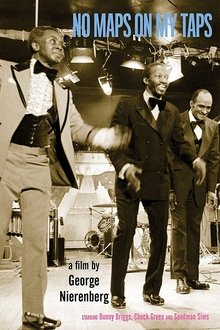
No Maps on My Taps (1979)
The remarkable spirit of tap dancers and their history provides a joyous backdrop for intimate portraits of hoofers Sandman Sims, Chuck Green, and Bunny Briggs.
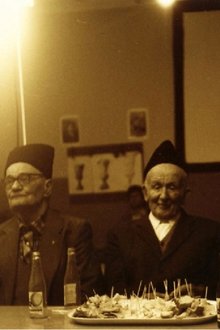
The Illness and Recovery of Buda Brakus (1980)
The protagonists of this docudrama are old farmers who migrated to Banat after the First World War, in 1922. The film is focused on a couple of important events in their impressive lives, which are woven into lively scenes and stories full of wise instances. Their statements become spontaneous recounts of the lives of people in this region.

Silent Echoes: College (2013)
This visual essay by John Bengtson, author of Silent Echoes: Discovering Early Hollywood Through the Films of Buster Keaton, reveals the locations where Keaton's 1927 comedy feature College was filmed in Hollywood, Los Angeles, and Orange County. A compilation of short films produced between 1917-1922. Coney Island (1917), Back Stage (1919), Convict 13 (1920) and Daydreams (1922).
After Haiyan (2014)
'After Haiyan' is a short film about the challenges faced by the Deaf community in Tacloban, Philippines accessing disaster relief, medical care, and basic services after Typhoon Haiyan, known locally as Yolanda.

Butterfly (2018)
An elderly couple has been living together for the past 78 years in Danchun Village in Hwage, Kyungnam. The old man does everything from cooking to laundry instead of the old woman who can't move around much. They made a promise to be together forever, but the day comes for them to say goodbye...

Heroin(e) (2017)
This documentary follows three women — a fire chief, a judge, and a street missionary — as they battle West Virginia's devastating opioid epidemic.
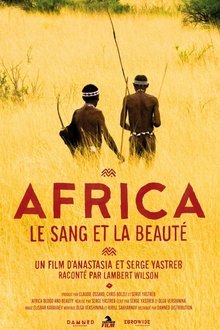
Africa, Blood & Beauty (2012)
This film speaks of archaic peoples, their customs and mores, in an attempt to make the last snapshots of their traditional lifestyles before they are gone for good.
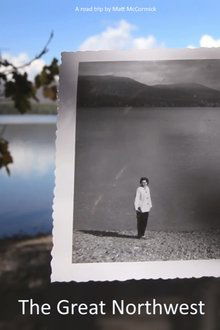
The Great Northwest (2012)
The Great Northwest is a documentary film based on the re-creation of a 3,200 mile road-trip made in 1958 by four Seattle women who thoroughly documented their journey in an elaborate scrapbook. Fifty years later, Portland artist Matt McCormick found that scrapbook in a thrift store, and in 2010 set out on the road, following their route as precisely as possible and searching out every stop in which the ladies had documented. Patiently shot with an observational, cinema-vérité approach, The Great Northwest is a lyrical time- capsule that explores how the landscape, architecture, and culture of the Pacific Northwest has changed over the past fifty years.
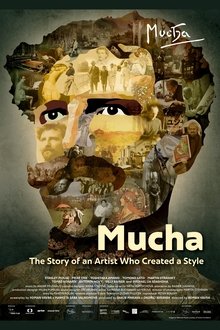
Mucha: The Story of an Artist Who Created a Style (2020)
Czech painter and illustrator Alphonse Mucha (1860-1939) ranks among the pioneers of the Art Nouveau movement at the end of the 19th century. Virtually overnight, he becomes famous in Paris thanks to the posters that he designs to announce actress Sarah Bernhardt’s plays. But at the height of his fame, Mucha decides to leave Paris to realize his lifetime project.

Dead People (1983)
Filmed in 1974 and edited and released in 1983 (and then rereleased by its director in 2005), DEAD PEOPLE purports to document the final years of Frank Butler, a local fixture in the depressed burg of Ellicot City with a particular fondness for drink and tales of the dead. Over hazy 16mm footage two decades later, Deutsch adopted a painfully unsentimental view of his early approach, colored as it was by notions of ethnographic film and an undercurrent of fetishism for a man he considered somehow more "alive" than himself. While it chafes against notions of authenticity in documentary and incisively hints at the complicity of the subject in inventing his own history, DEAD PEOPLE simultaneously oozes nostalgia, transcending its own judgment as a gauzy memorial for the man Deutsch once called a friend.
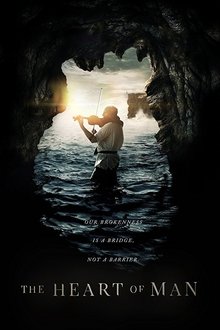
The Heart of Man (2017)
The Heart of Man is a timeless tale of a father's relentless pursuit of his son -- interwoven with interviews of top thought-leaders on brokenness, identity, and shame.
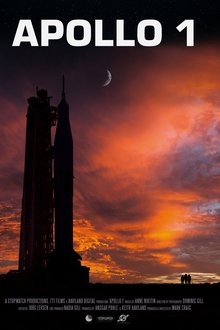
Apollo 1: Destination Moon (2025)
At the height of the space race, three U.S. astronauts are tapped as the first Apollo crew. With dazzling archival footage and exceptional access, this riveting documentary explores the tragic events that followed, shaking NASA to the core.
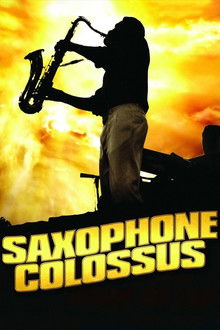
Saxophone Colossus (1998)
Tenor saxophone master Sonny Rollins has long been hailed as one of the most important artists in jazz history, and still, today, he is viewed as the greatest living jazz improviser. In 1986, filmmaker Robert Mugge produced Saxophone Colossus, a feature-length portrait of Rollins, named after one of his most celebrated albums.
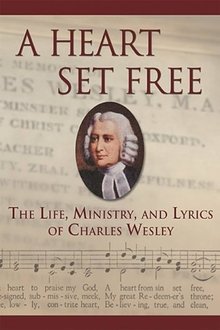
A Heart Set Free: Charles Wesley (2008)
A biography of Charles Wesley, father of the Weselyan Church, hymn writer, and preacher.
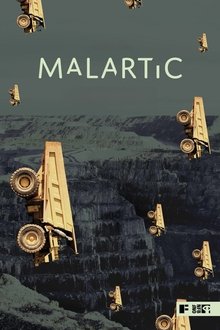
Malartic (2024)
Ten years after an enormous open-pit gold mine began operations in Malartic, the hoped-for economic miracle is nothing more than a mirage. Filmmaker Nicolas Paquet explores the glaring contrast between the town’s decline and the wealth of the mining company, along with the mechanisms of an opaque decision-making system in which ordinary people have little say. Part anthropological study, part investigation into the corridors of power, Malartic addresses the fundamental issue of sustainable and fair land management.
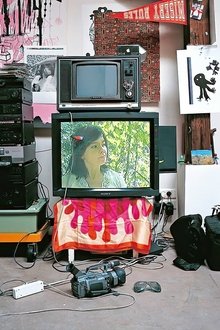
Björk: Minuscule (2002)
This documentary offers a behind-the-scenes look at Björk and her touring entourage for the 2001 Vespertine tour. It includes interviews with harpist Zeena Parkins, the Inuit choir from Greenland, electronic duo Matmos, and an ongoing conversation with Björk herself about her recordings and her tours. The documentary is interspersed with live footage of songs from the tour shot by Ragnheidur Gestsdóttir, which themselves correspond to the performances chosen for the Vespertine Live album.