In an extensive mini-documentary by Michelle Boley (@roguekite) and Taylor Gill (@taylorcgill) and produced by TYT and Rogue Kite Productions, the true story of what happened leading up to and after the 2016 California Democratic Primary is uncovered.
Related Movies
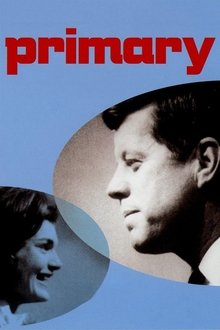
Primary (1960)
Primary is a documentary film about the primary elections between John F. Kennedy and Hubert Humphrey in 1960. Primary is the first documentary to use light equipment in order to follow their subjects in a more intimate filmmaking style. This unconventional way of filming created a new look for documentary films where the camera’s lens was right in the middle of what ever drama was occurring. Preserved by the Academy Film Archive in partnership with The Film Foundation in 1998.
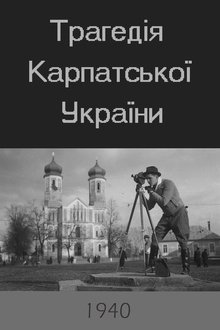
The Tragedy of Carpatho-Ukraine (1940)
Documentary-filmed events in the Carpatho-Ukraine (aka Ruthenia) during 1939 drive this history of the Ukraine's struggle for independence as a nation.
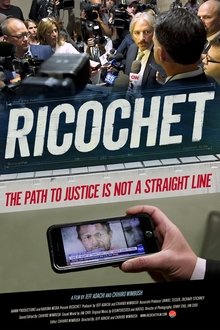
Ricochet (2021)
When a young woman is shot by an undocumented immigrant on Pier 14 in San Francisco, the incident ignites a political and media furor that culminates in Donald Trump’s election as President of the United States. In the eye of this storm, two public defenders fight to reveal the truth.
Dans la tête d'Emmanuel Macron (2016)
From the Ministry of Economy to his candidacy in the presidential elections, Emmanuel Macron quickly established himself in the French political landscape with a path full of subtlety. This documentary attempts to dive into the labyrinthine world of the President of the Republic, where he seeks to define his political stance and his strategy of rupture, which further deepened the downfall of the Socialist Party.
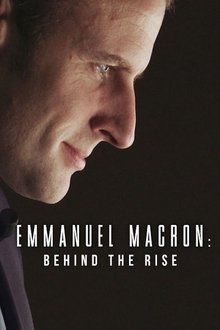
Emmanuel Macron: Behind the Rise (2017)
Deputy General Secretary at the Elysée to candidate for the presidency of the Republic, the novice in politics went from the shadows to the light in a very short time. For 200 days, our cameras followed him behind the scenes of his campaign and his exceptional ascent. For eight months we were the only ones allowed to follow the candidate Emmanuel Macron with our camera behind the scenes of this exceptional campaign. From the announcement of his candidature until his election on May 7, we propose you an exclusive documentary allowing you to live from inside the campaign of Emmanuel Macron in the manner of a political thriller.

Rule Britannia (1996)
A detailed account of each of the details of the Malvinas War based on interviews, dramatic scenes, maps and other elements of historical roots without ignoring the historical antecedents from the 18th century that ended in this confrontation.
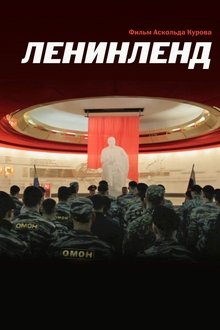
Leninland (2013)
At the peak of Perestroika, in 1987, in the village of Gorki, where Lenin spent his last years, after a long construction, the last and most grandiose museum of the Leader was opened. Soon after the opening, the ideology changed, and the flow of pilgrims gradually dried up. Despite this, the museum still works and the management is looking for ways to attract visitors. Faithful to the Lenin keepers of the museum as they can resist the onset of commercialization. The film tells about the modern life of this amazing museum-reserve and its employees.

The American Question (2024)
An 8-year journey into divided America, The American Question examines the insidious roots of polarization and distrust through past the past and present, revealing how communities can restore trust in each other to unite our country.
Split Screen (2022)
The story of January 6, 2021, where approximately 2000 people stormed the US Capitol to stop the certification of the Electoral College Votes, killing some and leaving over 140 injured. A firestorm of angst, anger, violence and confusion.
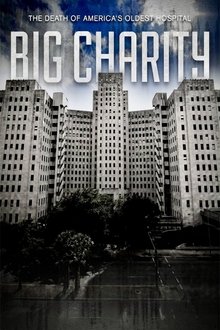
Big Charity: The Death of America's Oldest Hospital (2014)
This documentary film includes never-before-seen footage and exclusive interviews to tell the story of Charity Hospital, from its roots to its controversial closing in the wake of Hurricane Katrina. From the firsthand accounts of healthcare providers and hospital employees who withstood the storm inside the hospital, to interviews with key players involved in the closing of Charity and the opening of New Orleans’ newest hospital, “Big Charity” shares the untold, true story around its closure and sheds new light on the sacrifices made for the sake of progress.
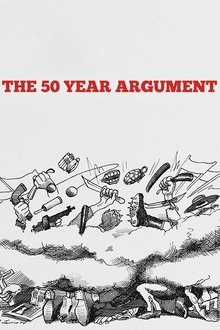
The 50 Year Argument (2014)
Follows the waves of literary, political, and cultural history as charted by the The New York Review of Books, America’s leading journal of ideas for over 50 years. Provocative, idiosyncratic and incendiary, the film weaves rarely seen archival material, contributor interviews, excerpts from writings by such icons as James Baldwin, Gore Vidal, and Joan Didion along with original verité footage filmed in the Review’s West Village offices.
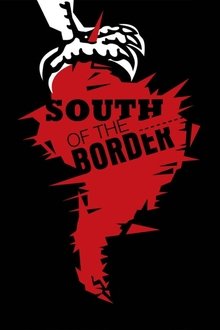
South of the Border (2009)
A road trip across five countries to explore the social and political movements as well as the mainstream media's misperception of South America while interviewing seven of its elected presidents.
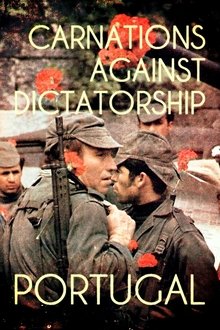
Portugal: Carnations Against Dictatorship (2024)
In Portugal, during the night of April 24-25, 1974, a peaceful uprising put an end to the last government of the Estado Novo, the authoritarian regime established in 1933 by dictator António de Oliveira Salazar (1889-1970), paving the way for full democracy: a chronicle of the Carnation Revolution.
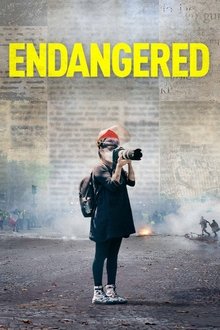
Endangered (2022)
A sobering look at the erosion of democracy & freedom of the press in the United States and abroad.
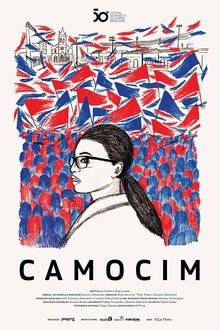
Camocim (2017)
Every four years, the calm and peacefull Camocim de São Félix, a small town in Pernambuco (Brazil), is shaken, revealing an outpouring of joy, anger, hope and disappointment. During the municipal political campaign, the city splits into two, and everything seems to orbit around politics. In the middle of this political market, Mayara, 23, tries to make a "clean" campaign to elect his candidate and friend Cesar.
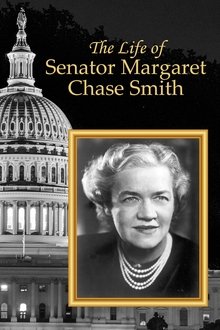
The Life of Senator Margaret Chase Smith (2011)
The journey of Senator Margaret Chase Smith from Skowhegan to Washington D.C. included obstacles such as 1950s gender bias and McCarthyism. Along the way Senator Smith became the first woman in history to serve in both the U.S. House and Senate. Hosted by Jack Perkins, the film includes insightful interviews with Senators Olympia Snow, Susan Collins, and Bill Cohen.