Martin Blaszko is considered one of the most important artists of geometric abstraction in Latin America. This documentary, which ends a trilogy, follows the setup of what ended up being his last art show, through only twenty sequences.
Related Movies
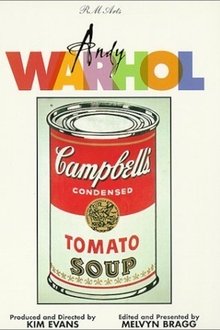
Andy Warhol (1987)
The first major profile of the American Pop Art cult leader after his death in 1987 covers the whole of his life and work through interviews, clips from his films, and conversations with his family and superstar friends. Andy Warhol, the son of poor Czech immigrants, grew up in the industrial slums of Pittsburgh while dreaming of Hollywood stars. He went on to become a star himself.

AquaBurn (2003)
AquaBurn is an award-winning documentary film by director Bill Breithaupt showcasing "The Floating World" theme of the 2002 Burning Man Festival. AquaBurn features many of the incredible Burning Man art installations, the imagination and originality that went into their creation, and the artists who conceived them. Unlike conventional documentaries on the Burning Man Festival, AquaBurn captures the true feeling and excitement of the event itself, transporting the viewer to a hot, dusty wonderland without ever leaving home.
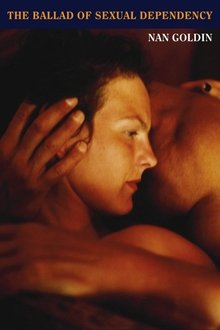
The Ballad of Sexual Dependency (1985)
Nan Goldin's slide show “The Ballad of Sexual Dependency” converted, mixed and screened as a film by the artist, portraying the American underground culture, the no wave scene, post-Stonewall gay subculture, among others.
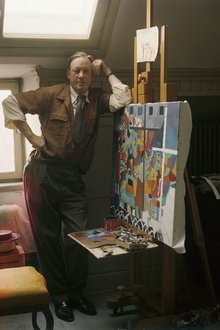
X:et (1963)
About Swedish artist, painter, sculptor and set designer Sven "X-et" Erixson, presented with Lars Johan Werle's music and accompanied by readings from various literature and poetry.
John Richardson: The Art of Picasso 1927 - 1973 (NaN)
We are in the midst of production on a one-hour film on seminal art historian John Richardson, and his work on the fourth and final volume of his biography on Picasso. Richardson shares his insights and observations on Picasso, whom he first met in the 1950s, with Shelley Wanger, his editor at Alfred A. Knopf (a division of Random House, Inc.).
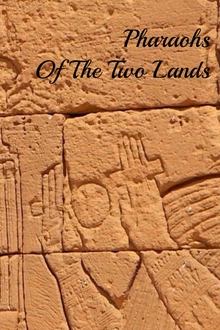
Pharaohs Of The Two Lands (2022)
Examines the history of the African kings from Kush who conquered Egypt and ruled over it for 1500 years through an exhibition at the Louvre.
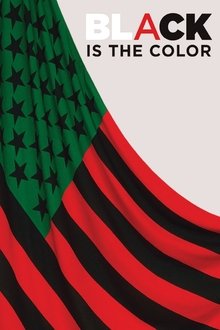
Black Is the Color: African-American Artists and Segregation (2016)
Black Is the Color highlights key moments in the history of Black visual art, from Edmonds Lewis’s 1867 sculpture Forever Free, to the work of contemporary artists such as Whitfield Lovell, Kerry James Marshall, Ellen Gallagher, and Jean-Michel Basquiat. Art historians and gallery owners place the works in context, setting them against the larger social contexts of Jim Crow, WWI, the civil rights movement and the racism of the Reagan era, while contemporary artists discuss individual works by their forerunners and their ongoing influence.
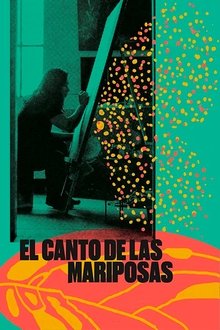
The Song of the Butterflies (2020)
Rember Yahuarcani is an indigenous artist from the Uitoto Nation who lives in Lima, Peru. From his clan, the White Heron, only two families remain in Peru. Rember's paintings are inspired by the stories his grandmother Martha told him before she died. However, he has never dived into the darkest part of his nation’s history: the indigenous massacre during the rubber boom. Martha is a survivor of the horror and she speaks to Rember in dreams guiding him in a spiritual journey back to the jungle. He first visits his parents, who are also artists, in the Peruvian jungle. And finally, he sails to La Chorrera, in Colombia, where he confronts the past and meets other members of his clan.
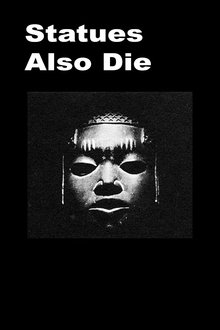
Statues Also Die (1953)
Commissioned by the journal Présence Africaine, this short documentary examines how African art is devalued and alienated through colonial and museum contexts. Beginning with the question of why African works are confined to ethnographic displays while Greek or Egyptian art is celebrated, the film became a landmark of anti-colonial cinema and was banned in France for eight years.
Drama in the Desert: The Sights and Sounds of Burning Man (2002)
Drama in the Desert: The Sights and Sounds of Burning Man is a full-color book (which includes a DVD) based on the captivating images of Holly Kreuter, with contributions from an additional 90 Burning Man participants, offering the reader a taste of the Burning Man experience. The DVD includes an original Score by Sean Abreu, seven slideshows featuring 560 Kreuter photographs and video interviews with 8 artists including Larry Harvey.
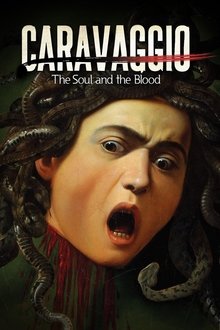
Caravaggio: The Soul and the Blood (2018)
An exciting and unsettling cinematic journey through the life, work and torments of Caravaggio.
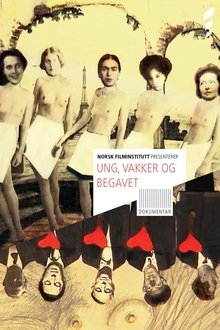
Gifted Beauties (2001)
During the surreal time period women where both worshiped as Gods and deformed by male artist. The women deep dived into their own consciousness. we follow Vilde von Krogh into her surreal universe.
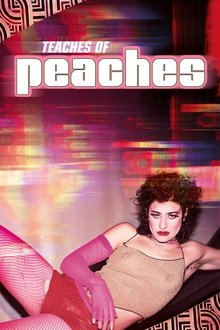
Teaches of Peaches (2024)
Peaches - artist, feminist, rock star. She has been challenging gender stereotypes for over 20 years and is on par with the icons of the pop and rock world. With exclusive private archive material and current footage of preparations and concerts of her 2022 jubilee tour “20 Years of Teaches of Peaches”, we learn how the Canadian Merrill Nisker became the internationally celebrated musician and electro-clash icon Peaches.

Box (2013)
Box explores the synthesis of real and digital space through projection-mapping on moving surfaces. The short film documents a live performance, captured entirely in camera. Bot & Dolly produced this work to serve as both an artistic statement and technical demonstration. It is the culmination of multiple technologies, including large scale robotics, projection mapping, and software engineering. We believe this methodology has tremendous potential to radically transform theatrical presentations, and define new genres of expression.
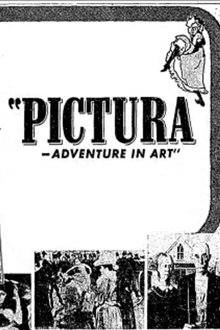
Pictura (1951)
A documentary film directed by seven famous directors, and narrated by several famous Hollywood actors. The film attempts to give the general filmgoing public a taste of art history and art appreciation.
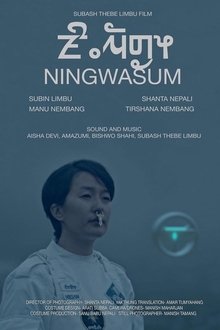
Ningwasum (2022)
Ningwasum follows two time travellers Miksam and Mingsoma, played by Subin Limbu and Shanta Nepali respectively, in the Himalayas weaving indigenous folk stories, culture, climate change and science fiction.
