A Maxakali filmmaker brings out memories about the formation of the Indigenous Rural Guard (Grin) during the military dictatorship in Brazil, with reports of violence suffered by their relatives.
Related Movies
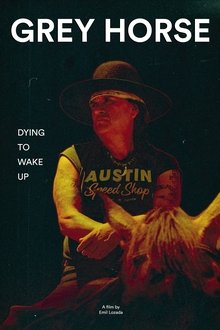
Grey Horse (NaN)
Samuel Grey Horse, an Indigenous equestrian from Austin, Texas, is known for rescuing horses from being put down. After a riding accident lands him in a coma, Grey Horse experiences an afterlife vision that changes his perspective on the world and his place in it.
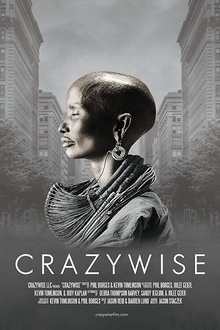
Crazywise (2017)
Western culture treats mental disorders primarily through biomedical psychiatry, but filmmakers Phil Borges and Kevin Tomlinson reveal a growing movement of professionals and survivors who are forging alternative treatments that focus on recovery and turning mental “illness” into a positive transformative experience.
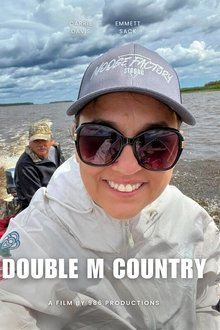
Double M Country (2023)
Carrie Davis was part of the child removal system near the end of the Sixties Scoop. With guidance from her uncle Emmett Sack and the community, Carrie reconnects to their land, language, and culture.
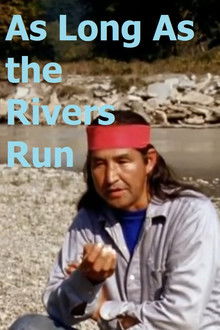
As Long as the Rivers Run (1971)
Examines the violence and civil disobedience leading up to the hallmark decision in U.S. v. Washington, with particular reference to the Nisqually Indians of Frank's Landing in Washington.
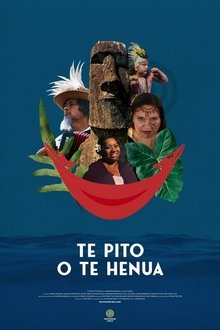
The Navel of the World (2024)
“Te Pito o Te Henua” (The Navel of the World) tells the story of the community behind Rapa Nui’s largest and most colorful annual Indigenous celebration, the Tāpati Rapa Nui Festival. Honoring ancient rites and competitions, Rapa Nui families participate in nine days of athletic feats, cultural demonstrations and ceremonies paying respect to the land, water and other natural beings of the island. They also crown a Queen to represent her people for a year throughout Polynesia and on the world stage. The film traces the journey of 19-year-old candidate Vaitiare and her family as they join work to earn her the crown and represent this small but well-known island as its people fight for increased autonomy and recognition on the world stage. Through intimate character portraits, behind-the-curtain moments and heartfelt musical performances, “Te Pito o Te Henua” reveals the true meaning of Tāpati and the deep connections the Rapa Nui share with their lands and waters.

Children of Wind River (1989)
A film made by Victress Hitchcock and Ava Hamilton in 1989 on the Wind River Reservation for Wyoming Public Television.
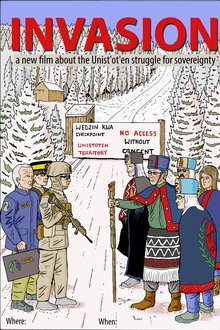
Invasion (2019)
In this era of "reconciliation", Indigenous land is still being taken at gunpoint. INVASION is a new film about the Unist'ot'en Camp, Gidimt'en checkpoint, and the Wet'suwet'en Nation standing up to the Canadian government and corporations who continue colonial violence against indigenous people.

It's Not Time to Cry (1971)
Through the testimony of the victims of the Brazilian dictatorship, and the re-creation of the practices to which they were subjected, the torture suffered by the Brazilian political detainees in their country is denounced. Restored version.
Lady Warrior (2021)
This documentary follows a Cree woman as she takes on the Indian Relay race season, as well as the Canadian authorities in her quest to give Missing and Murdered Indigenous Women a voice.
Mom n' Me (2010)
The filmmaker traces the loss of her ancestral language over three generations of her family, and her own desire to recover it.

The Four Corners: A National Sacrifice Area? (1983)
Documents the cultural and ecological impacts of coal stripmining, uranium mining, and oil shale development in Utah, Colorado, New Mexico, and Arizona – homeland of the Hopi and Navajo.
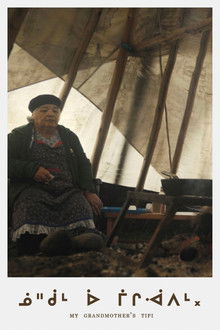
My Grandmother’s Tipi (2025)
“Nuuhkuum uumichiwaapim” (« My Grandmother’s Tipi ») is an exploration of the sensorial and textural experience of a grandmother’s tipi. It is based on memories of being in a tipi, observing in the bliss of cooking and the time in-between.
Essence of Healing: The Journey of American Indian Nurses (2017)
Essence of Healing is a documentary exploring the life journeys of 14 American Indian nurses - their experiences growing up, their experiences in nursing school, and their experiences on the job. They are part of a larger story - a historical line of care and compassion that has run through hundreds of indigenous tribes for thousands of years.

Our Maternal Home (2024)
Filmmaker and educator Janine Windolph ventures from Saskatchewan to Quebec with her two teens and younger sister, tracing their familial origins to the Cree First Nation of Waswanipi. Against the scenic backdrop of these Traditional Lands, Elders offer newfound interdependence and hands-on learning, transforming this humble visit into a sensory-filled expression of reclamation and resilience. Our Maternal Home lovingly establishes a heart-centred form of resistance to confront and heal from the generational impacts of cultural disconnection, making space for what comes next.
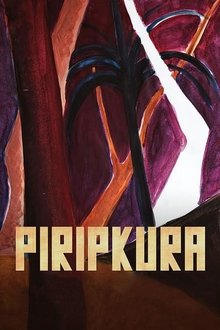
Piripkura (2018)
The last two surviving members of the Piripkura people, a nomadic tribe in the Mato Grosso region of Brazil, struggle to maintain their indigenous way of life amidst the region's massive deforestation. Living deep in the rainforest, Pakyî and Tamandua live off the land relying on a machete, an ax, and a torch lit in 1998.
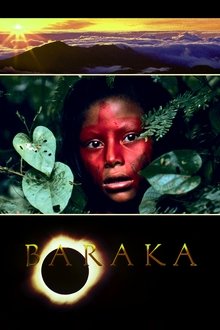
Baraka (1992)
A paralysingly beautiful documentary with a global vision—an odyssey through landscape and time—that attempts to capture the essence of life.

Trick or Treaty? (2014)
Legendary Canadian documentarian Alanis Obomsawin digs into the tangled history of Treaty 9 — the infamous 1905 agreement wherein First Nations communities relinquished sovereignty over their traditional territories — to reveal the deceptions and distortions which the document has been subjected to by successive governments seeking to deprive Canada’s First Peoples of their lands.

Our Dear Sisters (1975)
Alanis Obomsawin, a North American Indian who earns her living by singing and making films, is the mother of an adopted child. She talks about her life, her people, and her responsibilities as a single parent. Her observations shake some of our cultural assumptions.
Vivir de la madera (Kuxtal Ti' Che') (NaN)
In Mexico, the lack of jobs in villages and communities forces people to migrate to cities in search of opportunities and better income. This is the case of Justino, originally from the village of Muchucuxcáh, in the Yucatán Peninsula, who after traveling to Cancun and encountering problems and suffering there, decided to return to his village and learn to work with wood. Justino demonstrates how humans can interact with nature and their surroundings to have a dignified job.