One in five Americans are diagnosed with mental illness every year. Suicide is the second most common cause of death in the US for youth aged 15-24, and kills over 800,000 people globally per year. Drug overdose kills 81,000 in the US annually. The autoimmune disorder epidemic affects 24 million people in the US alone. What is going on? The interconnected epidemics of anxiety, chronic illness and substance abuse are, according to Dr. Gabor Maté, normal - but not in the way you might think.
Related Movies
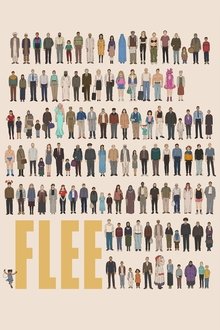
Flee (2021)
Recounted mostly through animation to protect his identity, Amin looks back over his past as a child refugee from Afghanistan as he grapples with a secret he’s kept hidden for 20 years.

Carnations (2025)
Seven strangers are interviewed to talk about the relationship they have with their mother.

To Catch a Glimpse (1997)
A film that delves into director Jean Carlomusto's family history by trying to find out if the rumors about her grandmother's death -- trying to rid herself of an unwanted pregnancy in 1939 -- are true.
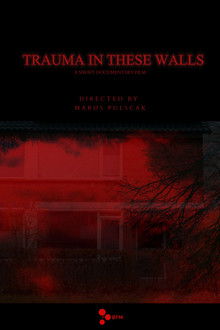
Trauma in These Walls (NaN)
A filmmaker returns to a house from his past where a great tragedy happened, in order to find a closure within the space that already feels too foreign.
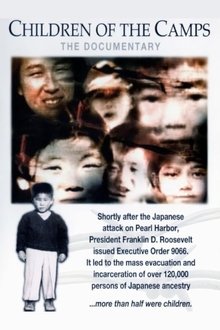
Children of the Camps (1999)
Documentary following six Americans of Japanese ancestry who were held in U.S. internment camps during World War II.

Within my soul (NaN)
Between psychosis, delusions of persecution and trauma, A finds himself at an interface between past and present after a stay in hospital. What is still reality and what is a fearful manifestation of traumatic encounters? By confronting herself with old diary entries, she tries to come to terms with the emotional maelstrom. The breaches of trust from her youth keep pushing their way to the surface in her current relationships and make it difficult to grasp happiness.
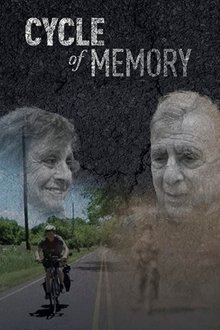
Cycle of Memory (2022)
Mel Schwartz escaped the Great Depression on a bicycle adventure he'd remember for the rest of his life... until Mel lost his memory to Alzheimer's. Now over seventy-five years later, his grandchildren set out to recreate his life-changing journey and find those memories before they slip away. Cycle of Memory explores the importance of intergenerational connection, healing painful pasts, and leaving a meaningful time capsule for the future.

Violently in Love (2017)
Behind the closed doors of the Copenhagen-based women's shelter, the women and children are slowly recovering after having escaped domestic violence. Day by day the women are processing their traumas, building confidence and slowly understanding what it takes to break the cycle of violence.
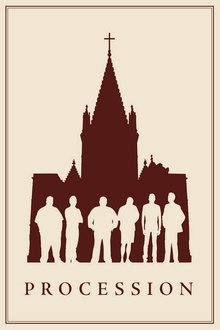
Procession (2021)
Six men who were sexually abused by Catholic clergy as boys find empowerment by creating short films inspired by their trauma.
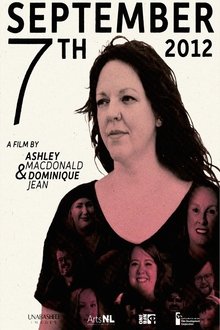
September 7, 2012 (2022)
On September 7, 2012, Ashley MacDonald was sexually assaulted. In this powerful first time film, she talks to strangers about what that same day looked like in their own lives. What were they doing? What happened to them? The result is a documentary about processing trauma, and the power of openness and connection to help us heal.
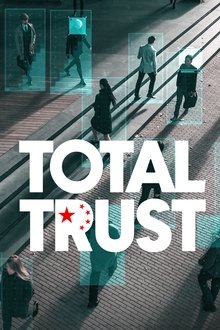
Total Trust (2023)
By exploring the relationship between the watched and the watching, our film uncovers the trauma and hope engendered by the Chinese all-surveilling state and lends a voice to those that stand in resilient defiance of such blatant abuse of power.

Diameter of the Bomb (2005)
Since the renewed Intifada began in 2000, there have been over 75 Palestinian suicide bombings. This is the story of 0ne-the bombing of bus 32 in Jerusalem in June 2002. The film connects the stories of a group of ordinary Israelis-Jews and Arabs. Each of them holds a clue to someone who died that day.
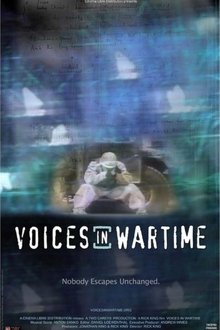
Voices in Wartime (2004)
Voices in Wartime is a 2004 documentary that explores the human experience of war through poetry. Combining interviews with soldiers, journalists, and historians, it reveals how war affects individuals and societies across time and place. The film features poets from around the world – from Homer and Wilfred Owen to Shoda Shinoe and modern writers in Iraq and Nigeria – showing how poetry expresses the pain, trauma, and truth of conflict. By linking verse with real-life accounts, Voices in Wartime highlights how poetry helps us understand the emotional and moral impact of war.
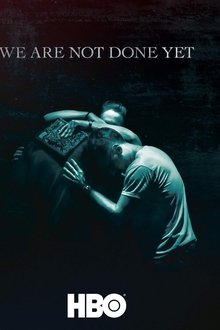
We Are Not Done Yet (2018)
Follows veterans and active-duty service members from varied backgrounds who come together to combat their traumas through the written word in a USO-sponsored arts workshop at Walter Reed National Military Hospital.
Bitter Cells (2024)
Huiju learned of her biopsy test results, but lied to her mum about them. Feeling guilty about the lie, she embarks on her journey to find cancer patients who have the same diagnosis as hers and learns about their experiences. After hearing their stories, she finds the courage to tell the truth to her mum.

J. (2008)
Found memories decayed by the shock patterns of childhood trauma. This films is made mostly with footage found in the bin of an ophanage. The white progressivelly disolve within a darknest more and more dense. Faces progressivelly disolves within one another.
The Acquired Savant (2016)
In 2002, Jason Padgett was the victim of a vicious beating outside a karaoke bar in Tacoma, Washington. Upon regaining consciousness, Padgett’s sight was forever altered by a condition called acquired savant syndrome. The brain trauma opened his eyes to an entirely new world—one filled with patterns and strobes, like a stop-motion film. This is a fascinating story into the hidden power of the mind and one man’s inspiring tale of courage and personal triumph.
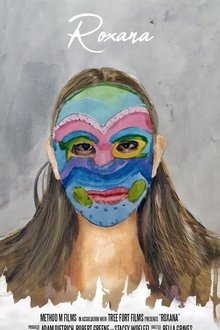
Roxana (2018)
Roxana follows a young mother’s return to the juvenile detention center she was once incarcerated in, now as a trained somatic therapist. Through an intimate look into the lives of incarcerated youth, we will see the consequences of childhood trauma.

things that won't die (2022)
After finding some videos she uploaded to YouTube when she was a child, Manuela attempts to follow the trail she herself has left on the Internet. A search that looks into all that things that won't never die and that, especially, thinks about the way we look at ourselves.
