When Ingeborg Bachmann and Max Frisch meet for the first time in Paris in the summer of 1958, they are already international celebrities of the literary world. In the four years that follow, they dabble in great love and an open relationship between his hometown of Zurich and her adopted Rome.
Related Movies
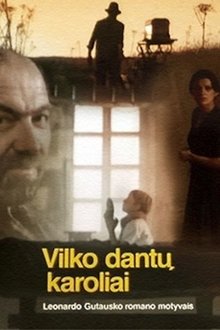
A Wolf Teeth Necklace (1997)
Algimantas Puipa directed this 1997 drama about a painter wrestling with childhood memories of his father being exiled to Siberia.
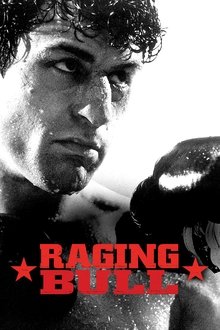
Raging Bull (1980)
The life of boxer Jake LaMotta, whose violence and temper that led him to the top in the ring destroyed his life outside of it.
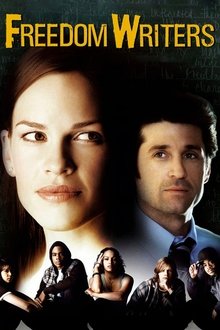
Freedom Writers (2007)
A young teacher inspires her class of at-risk students to learn tolerance, apply themselves, and pursue education beyond high school.
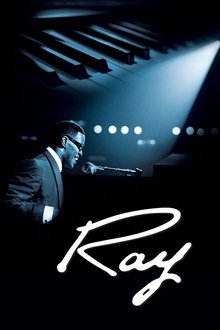
Ray (2004)
Born on a sharecropping plantation in Northern Florida, Ray Charles went blind at seven. Inspired by a fiercely independent mom who insisted he make his own way, He found his calling and his gift behind a piano keyboard. Touring across the Southern musical circuit, the soulful singer gained a reputation and then exploded with worldwide fame when he pioneered coupling gospel and country together.
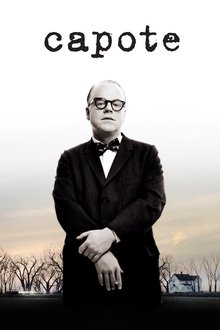
Capote (2005)
A biopic of writer Truman Capote and his assignment for The New Yorker to write the non-fiction book "In Cold Blood".
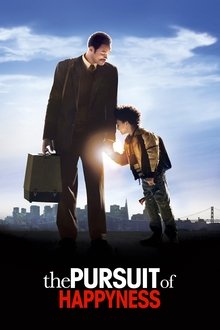
The Pursuit of Happyness (2006)
A struggling salesman takes custody of his son as he's poised to begin a life-changing professional career.
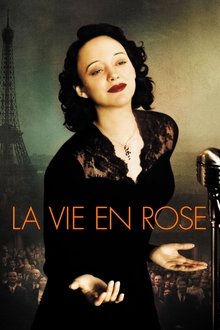
La Vie en Rose (2007)
From the mean streets of the Belleville district of Paris to the dazzling limelight of New York's most famous concert halls, Edith Piaf's life was a constant battle to sing and survive, to live and love. Raised in her grandmother's brothel, Piaf was discovered in 1935 by nightclub owner Louis Leplee, who persuaded her to sing despite her extreme nervousness. Piaf became one of France's immortal icons, her voice one of the indelible signatures of the 20th century.
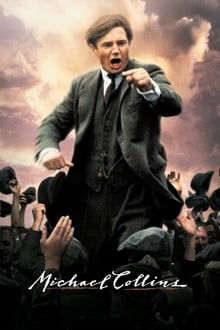
Michael Collins (1996)
Michael Collins plays a crucial role in the establishment of the Irish Free State in the 1920s, but becomes vilified by those hoping to create a completely independent Irish republic.
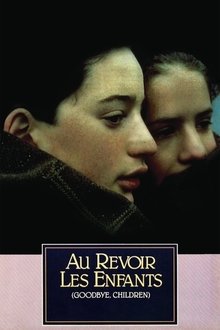
Au Revoir les Enfants (1987)
Au revoir les enfants tells a heartbreaking story of friendship and devastating loss concerning two boys living in Nazi-occupied France. At a provincial Catholic boarding school, the precocious youths enjoy true camaraderie—until a secret is revealed. Based on events from writer-director Malle’s own childhood, the film is a subtle, precisely observed tale of courage, cowardice, and tragic awakening.
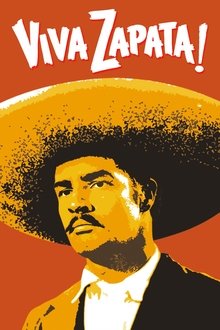
Viva Zapata! (1952)
The story of Mexican revolutionary Emiliano Zapata, who led a rebellion against the corrupt, oppressive dictatorship of president Porfirio Díaz in the early 20th century.

The Rabbit Garden (NaN)
Jerzy Kosiński, author of The Painted Bird and Being There, sees his life and literary career unravel after having the authenticity of his work called into question by two reporters from The Village Voice.
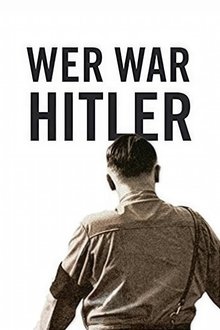
Who was Hitler (2017)
Hitler's biography told like never before. Besides brief historical localizations by a narrator, only contemporaries and Hitler himself speak: no interviews, no reenactment, no illustrative graphics and no technical gadgets. The testimonies from diaries, letters, speeches and autobiographies are assembled with new, often unpublished archive material. Hitler's life and work are thus reflected in a unique way in interaction with the image of the society in the years 1889 to 1945.
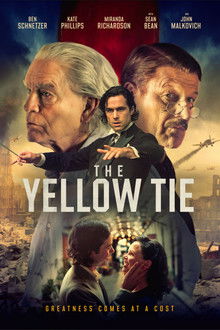
The Yellow Tie (2025)
The extraordinary life of Sergiu Celibidache, from his childhood in Romania to his exile in pursuit of a career in music, his struggle for survival in wartime Germany and his rise, fall and rise again, in an unimaginable life journey.
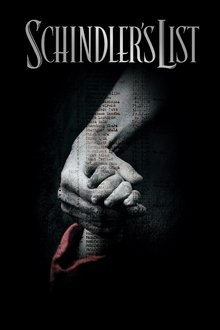
Schindler's List (1993)
The true story of how businessman Oskar Schindler saved over a thousand Jewish lives from the Nazis while they worked as slaves in his factory during World War II.
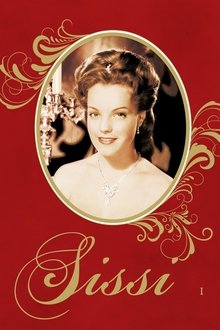
Sissi (1955)
The young Bavarian princess Elisabeth, who all call Sissi, goes with her mother and older sister Néné to Austria where Néné will be wed to an emperor named Franz Joseph, Yet unexpectedly Franz runs into Sissi while out fishing and they fall in love.
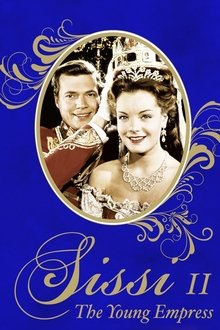
Sissi: The Young Empress (1956)
Sissi is now the empress of Austria and attempts to learn etiquette. While she is busy being empress she also has to deal with her difficult new mother-in-law, while the arch-duchess Sophie is trying to tell the emperor how to rule and also Sissi how to be a mother.
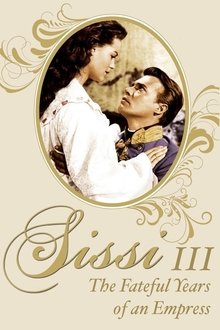
Sissi: The Fateful Years of an Empress (1957)
After a wonderful time in Hungary Sissi falls extremely ill and must retreat to a Mediterranean climate to rest. The young empress’ mother takes her from Austria to recover in Madeira.

Erin Brockovich (2000)
A twice-divorced mother of three who sees an injustice, takes on the bad guy and wins -- with a little help from her push-up bra. Erin goes to work for an attorney and comes across medical records describing illnesses clustered in one nearby town. She starts investigating and soon exposes a monumental cover-up.
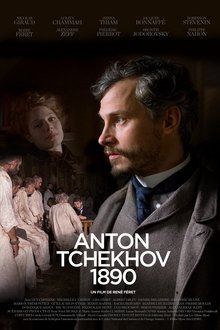
Anton Tchekhov 1890 (2015)
Summer 1890. In order to make some money to feed his family, Anton Chekhov, modest physician, wrote short stories for newspapers to sign Antosha Tchékhonté. Important characters, writer and editor, just make him aware of his talent. His situation is improving and Anton Chekhov gets the Pushkin prices and admiration of Tolstoy. But when one of his brothers died of tuberculosis, Anton saw it as a personal failure and wants to escape his fame and his love.
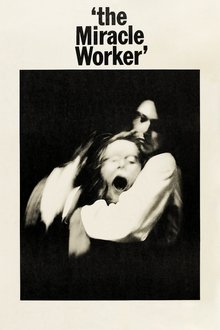
The Miracle Worker (1962)
The true story of the frightening, lonely world of silence and darkness of 7-year-old Helen Keller who, since infancy, has never seen the sky, heard her mother's voice or expressed her innermost feelings. Then Annie Sullivan, a 20-year-old teacher from Boston, arrives. Having just recently regained her own sight, the no-nonsense Annie reaches out to Helen through the power of touch, the only tool they have in common, and leads her bold pupil on a miraculous journey from fear and isolation to happiness and light.