Moving Together is a celebratory love letter to music and dance that brims with kinetic life and energy. This documentary explores the intricate collaboration between dancers and musicians, moving seamlessly between Flamenco, Modern, and New Orleans Second Line.
Related Movies
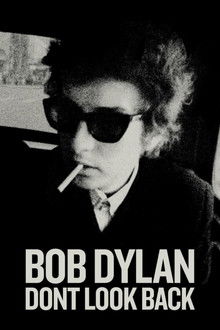
Dont Look Back (1967)
In this wildly entertaining vision of one of the twentieth century’s greatest artists, Bob Dylan is surrounded by teen fans, gets into heated philosophical jousts with journalists, and kicks back with fellow musicians Joan Baez, Donovan, and Alan Price.
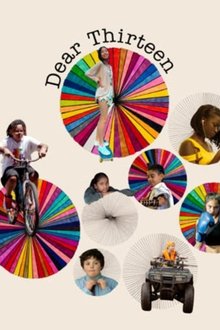
Dear Thirteen (2022)
A nuanced portrait of a new generation, Dear Thirteen is a cinematic time capsule of coming of age in today’s world. Through the eyes of nine thirteen-year-olds, we see how pressing social, geographical and political challenges are shaping, and being shaped by, young people: rising anti-Semitism in Europe, guns in America, gender identity and racial divisions across Australia and Asia. With no adult commentary outside the filmmaker, Dear Thirteen offers an intimate view into the universal uncertainty inherent in growing up.

Raised by Krump (2016)
“Raised by Krump” explores the LA-born dance movement “krumping,” and how the dance has helped the lives of some of the area’s most influential dancers.

Wild Genius (2024)
Portrays the exceptional life, career, and mental health challenges of living legend Robert Trivers, the evolutionary biologist TIME Magazine named as “one of the greatest scientists of the 20th Century”.
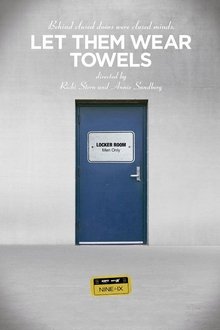
Let Them Wear Towels (2013)
During the 1977 World Series, Sports Illustrated reporter Melissa Ludtke was denied access to the players' locker room. After a very public fight, the door was opened, but the debate about female journalists in the male sanctum of the clubhouse remained. Through interviews with pioneering female sports writers, Let Them Wear Towels captures the raw behavior, humorous retaliation, angry lawsuits and remarkable resolve that went into the struggle for equal access for women reporters.
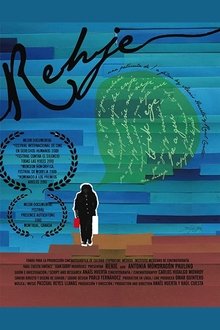
Rehje (2009)
After forty years living in Mexico City, Antonia longs to go back to her home town, a Mazahua village in the state of Mexico. When she returns, she discovers many things, including that a scarcity of water threatens life in her community.

The Greatest Radio Station In The World (2022)
A fun-filled documentary that tells the unique 60-year history of WPKN in Bridgeport, CT, through in-depth interviews and extraordinary film footage.

Roberto Bolle: The Art of the Dance (2017)
Documentary following ballet dancer Roberto Bolle and his troupe performing in Italian monuments.
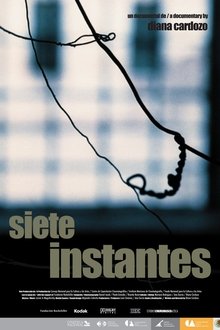
Seven Moments (2008)
Is the story of women that were guerrilleras in Uruguay at the beginning of the 70's. Under an intimate focus, the film shows the moments of decision and the personal crossroads that it involve. The documentary search the experience and the look of common individuals in exceptional situations and goes to the bottom of the load of tensions, fears, contradictions and personal costs that those labor instants of the History have.
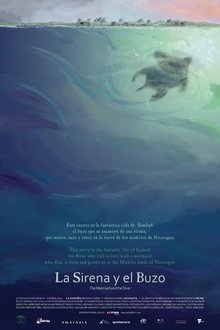
The Mermaid and the Diver (2009)
The body of Sinbad the Diver turned up floating off the Atlantic coast of Nicaragua. The mermaid had turned his soul into a turtle, and the turtle was the one who returned him to the world of men. Sinbad was born once more as a Miskito and was raised on the banks of the wonderful Coco River. When he grew up, nature took care of carrying him back to the sea, where the mermaid is waiting for him. The Mermaid and the Diver is a journey to Central America, to Nicaragua, to the Atlantic Coast, and to the Miskito people.
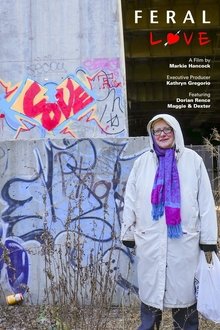
Feral Love (2016)
Crazy cat lady or world-class musician? You decide. Dorian Rence smashes our notions of what matters and who counts in "Feral Love." Dorian was the seventh woman to join the New York Philharmonic. In her 40-year career she has performed with all the greats: Leonard Bernstein, Pierre Boulez, Zubin Mehta, Yo Yo Ma to name a few. And she cares for a feral cat colony in the tunnels of New York City.
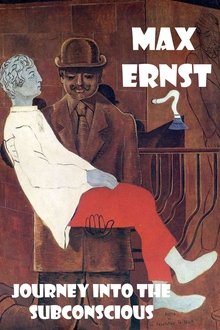
Max Ernst: Journey into the Subconscious (1964)
The inner world of the great painter Max Ernst is the subject of this film. One of the principal founders of Surrealism, Max Ernst explores the nature of materials and the emotional significance of shapes to combine with his collages and netherworld canvases. The director and Ernst together use the film creatively as a medium to explain the artist's own development.

After the Revolution (1996)
A wry look at the effects of sexual repression on lesbian and gays in former Czechoslovakia. After the Revolution explores the impact of the new gay movement, combining personal accounts and rarely seen propaganda film. After 40 years of totalitarian silence about sexuality, lesbian, gay and transsexual contributors reveal how they reacted to exclusion from communist norms of heterosexuality and parenthood, including in the case of some women, by changing sex.
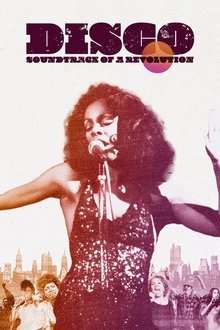
Disco: Soundtrack of a Revolution (2023)
From the sweaty basement bars of 70s New York to the glittering peak of the global charts, how disco conquered the world - its origins, its triumphs, its fall and its legacy.
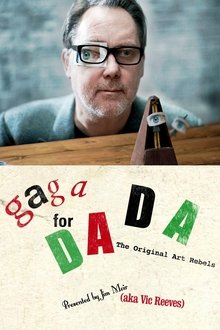
Gaga for Dada: The Original Art Rebels (2016)
To celebrate the 100th anniversary of the birth of the surreal art movement, comedian Jim Moir (a.k.a. Vic Reeves) presents this documentary exploring the history of Dadism and the lasting influence it has had on himself and others.
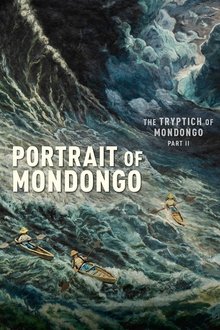
Mondongo II: Portrait of Mondongo (2024)
“This is a film about the end of a friendship. It wasn’t meant to be. Fifteen years ago, they painted my portrait.” (Mariano Llinás)
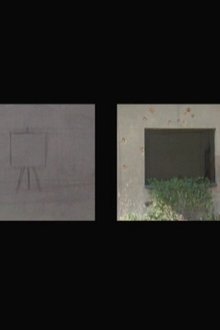
Journal No. 1 - An Artist's Impression (2007)
In 1947, two years after the end of the Second World War, Film Journal No. 1 was released in Sarajevo. Fifty years later, after the collapse of the Communist bloc, this newsreel was lost in the confusion of the fighting in Yugoslavia. In Journal No. 1 Hito Steyerl attempts to find out how the footage got lost and what was on this document from the Sutjeska studio. In the simultaneous projection of Journal No. 1 the ‘unattainability of an historical zero hour of the national identity’ takes concrete form: The lost newsreel reports on a literacy campaign as well as Muslim women confidently removing their headscarves. We listen however to eyewitnesses trying to recapture the lost content and we see the artist Arman Kulasic making a number of drawings that resemble the story-boards for the lost film. What appears to be moments of great change remain limited by subjective and uncertain memory. The film was premiered at documenta 12.
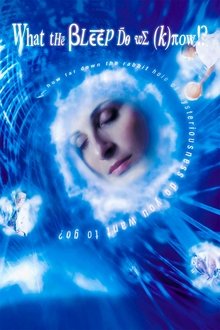
What the #$*! Do We (K)now!? (2004)
Amanda is a divorced woman who makes a living as a photographer. During the Fall of the year Amanda begins to see the world in new and different ways when she begins to question her role in life, her relationships with her career and men and what it all means. As the layers to her everyday experiences fall away insertions in the story with scientists, and philosophers and religious leaders impart information directly to an off-screen interviewer about academic issues, and Amanda begins to understand the basis to the quantum world beneath. During her epiphany as she considers the Great Questions raised by the host of inserted thinkers, she slowly comprehends the various inspirations and begins to see the world in a new way.