Documentary filmmaker Robert Kenner examines how mammoth corporations have taken over all aspects of the food chain in the United States, from the farms where our food is grown to the chain restaurants and supermarkets where it's sold. Narrated by author and activist Eric Schlosser, the film features interviews with average Americans about their dietary habits, commentary from food experts like Michael Pollan and unsettling footage shot inside large-scale animal processing plants.
Related Movies

Secrets of McDonald's: 50 Years of the Big Mac (2018)
The documentary traced the fast food company's journey from Route 66 diner to planet-conquering giant.

Bananas!* (2009)
Juan “Accidentes” Dominguez is on his biggest case ever. On behalf of twelve Nicaraguan banana workers he is tackling Dole Food in a ground-breaking legal battle for their use of a banned pesticide that was known by the company to cause sterility. Can he beat the giant, or will the corporation get away with it?

The Raw Gourmet, Volume Two: Making Meals Out of Nuts and Seeds (2001)
Culinary artist Nomi Shannon shows us how to use nuts and seeds to make hearty entrees and protein-rich meals. Nomi demonstrates how to make nori rolls, stuffed peppers, 'neat-balls' and gravy, Asian pate, chiles rellenos, pâté, loaves and the sun garden burger.
Grenada 1940 (1940)
The waterfront and agriculture of the Caribbean island of Grenada in the 1940's.
Eating (2004)
Eating, 2nd Edition: Introducing The RAVE Diet presents graphic evidence of how animal foods are not meant for human consumption, and how the suffering and death of the animals "takes revenge" on the humans who eat them by causing most of our chronic diseases, and how the switch to a all whole-food plant based diet can begin to reverse many of these diseases in as little as three weeks.
Land Rush (2012)
A partnership between the Government of Mali and an American agricultural investor may see 200-square kilometers of Malian land transformed into a large-scale sugar cane plantation. Land Rush documents the hopes, fears, wishes, and demands of small-scale subsistence farmers in the region who look to benefit, or lose out, from the deal.
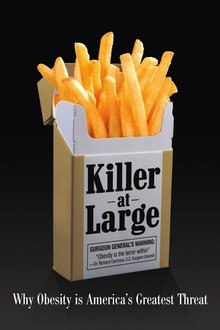
Killer at Large (2008)
Obesity rates in the United States have reached epidemic proportions in recent years. Killer at Large shows how little is being done and more importantly, what can be done to reverse it. Killer at Large also explores the human element of the problem with portions of the film that follow a 12-year old girl who has a controversial liposuction procedure to fix her weight gain and a number of others suffering from obesity, including filmmaker Neil Labute.
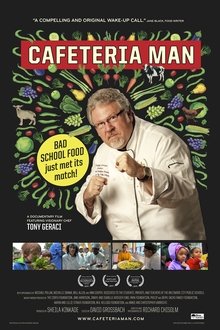
Cafeteria Man (2011)
Cafeteria Man is the true story of rebel chef Tony Geraci and his mission to radically reform Baltimore's public school food system with a recipe for change.
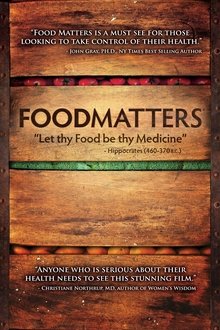
Food Matters (2010)
With nutritionally-depleted foods, chemical additives and our tendency to rely upon pharmaceutical drugs to treat what's wrong with our malnourished bodies, it's no wonder that modern society is getting sicker. Food Matters sets about uncovering the trillion dollar worldwide sickness industry and gives people some scientifically verifiable solutions for curing disease naturally.
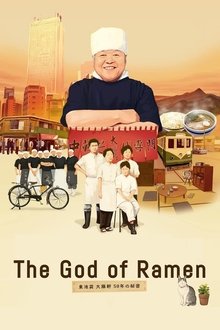
The God of Ramen (2013)
Every day, people would queue for over two hours for a bowl of ramen. What’s the celebrated chef’s secret ingredient? There is no secret ingredient. In fact, as most fans of Taishoken believe, it’s the charisma of owner Kazuo Yamagishi that attracted people from all around Japan to his modest shop. His personality and love for his craft, combined with a precise mélange of flavours, combined to create perfection in each ramen bowl. This heart-warming documentary is not just for noodle fans, but for anyone who loves to be inspired by passionate people.
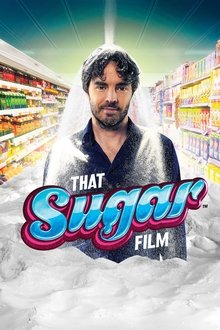
That Sugar Film (2014)
One man's journey to discover the bitter truth about sugar. Damon Gameau embarks on a unique experiment to document the effects of a high sugar diet on a healthy body, consuming only foods that are commonly perceived as 'healthy'. Through this entertaining and informative journey, Damon highlights some of the issues that plague the sugar industry, and where sugar lurks on supermarket shelves.
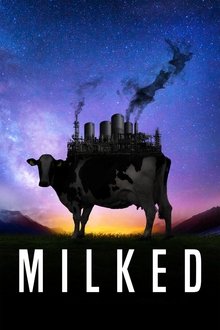
Milked (2021)
A young activist goes deep into dairy land where he takes on the giants of New Zealand's most powerful industry, and reveals how the sacred cash-cow industry has been milked dry. His journey exposes not only the sustainability crisis and the dangerous denial of impending agricultural disruption, but also what New Zealand and other countries can do to change their fate.
Live and Let Live (2013)
Live and Let Live is a feature documentary examining our relationship with animals, the history of veganism and the ethical, environmental and health reasons that move people to go vegan.
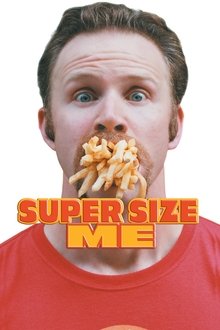
Super Size Me (2004)
Morgan Spurlock subjects himself to a diet based only on McDonald's fast food three times a day for thirty days without exercising to try to prove why so many Americans are fat or obese. He submits himself to a complete check-up by three doctors, comparing his weight along the way, resulting in a scary conclusion.
The Game Changers (2019)
From the UFC Octagon in Las Vegas and the anthropology lab at Dartmouth, to a strongman gym in Berlin and the bushlands of Zimbabwe, the world is introduced to elite athletes, special ops soldiers, visionary scientists, cultural icons, and everyday heroes—each on a mission to create a seismic shift in the way we eat and live.
Within Reach (2013)
After quitting their jobs and selling their house and cars, a couple bikes around the country visiting 100 sustainable communities as they look for a new place to live. Along the way, they explore the meaning of community -- and of life itself.

Picnic Days (1935)
How to prepare the perfect picnic for the warm days that you spent outside. Learn here how to make your side dishes look and taste amazing.

Soul (2017)
Soul explores the secrets of gastronomy where two cuisines apparently so opposite in their philosophy, conception and experience, have both earned the highest culinary recognition, three Michelin stars.
State of Bacon (2014)
State of Bacon tells the kinda real but mostly fake tale of an oddball group of characters leading up to the annual Blue Ribbon Bacon Festival. Bacon-enthusiasts, Governor Branstad, a bacon queen, Hacksaw Jim Duggan, members of PETA, and an envoy of Icelanders are not excluded from this bacon party and during the course of the film become intertwined with the organizers of the festival to show that bacon diplomacy is not dead.