Atomic Pilgrimage: Ghost Towns, Nuclear Relics, and Lost Civilizations on the Road to the Trinity Site (2019)
A 40-day, 40-night road trip to the Trinity Site—where the first atomic bomb was detonated in the summer of 1945—covering many other atomic destinations and driving deep into the natural and social history of the American southwest.
Related Movies
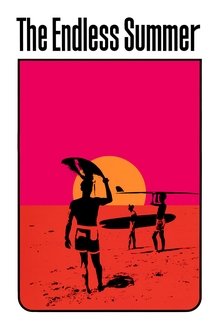
The Endless Summer (1966)
Bruce Brown's The Endless Summer is one of the first and most influential surf movies of all time. The film documents American surfers Mike Hynson and Robert August as they travel the world during California’s winter (which, back in 1965 was off-season for surfing) in search of the perfect wave and ultimately, an endless summer.
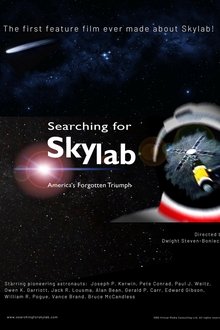
Searching for Skylab, America's Forgotten Triumph (2019)
The first American space station Skylab is found in pieces scattered in Western Australia. Putting these pieces back together and re-tracing the Skylab program back to its very conception reveals the cornerstone of human space exploration.

Imperfection Salad (NaN)
Charlotte Biltekoff is the author of “Eating Right in America” where she traces the food reform movements throughout American history. She questions socially accepted ideas about “good and bad eaters” and what those assumptions reveal about food, culture, and the struggle over moral values.
Tragedy or Hope (1972)
Contrasting radical mobs, anarchy, and 1960s counterculture with footage of American manufacturing and innovation, this film celebrates the concept of American exceptionalism and argues that anti-Vietnam War protesters were influenced by communism, atheism, and immorality. Set mostly in a university library, this political debate between a medical student, his 1770s ancestor, and a history professor is a sequel to the 1972 National Education Program film, Brink of Disaster! Two additional characters appear in this drama: a 19th-century steamboat captain, and the student’s grandfather - an early 20th-century automobile worker. The National Education Program at Harding College in Searcy, Arkansas created a variety of widely-distributed anti-communism films from the mid-1940s to the early 1970s.
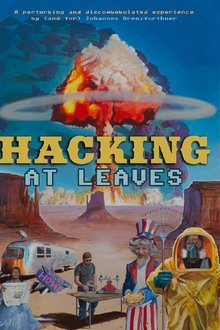
Hacking at Leaves (2024)
Hacking at Leaves documents artist and hazmat-suit aficionado Johannes Grenzfurthner as he attempts to come to terms with the United States' colonial past, Navajo tribal history, and the hacker movement. The story hones in on a small tinker space in Durango, Colorado, that made significant contributions to worldwide COVID relief efforts. But things go awry when Uncle Sam interferes with the film's production.
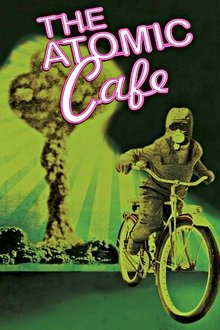
The Atomic Cafe (1982)
A disturbing collection of 1940s and 1950s United States government-issued propaganda films designed to reassure Americans that the atomic bomb was not a threat to their safety.
The Four Corners: A National Sacrifice Area? (1983)
Documents the cultural and ecological impacts of coal stripmining, uranium mining, and oil shale development in Utah, Colorado, New Mexico, and Arizona – homeland of the Hopi and Navajo.
1989 (2014)
Anders Østergaard’s film is an investigative look at the year the Berlin Wall fell, documenting the events that took place in Hungary as a prelude to the dramatic changes in November 1989. The director recreates the events and leads the audiences deep into the politicians’ secret meeting rooms by using a mix of interviews, archive material and reconstructed scenes and dialogues.

The Crazy Che (2015)
The incredible story of Bill Gaede, an Argentinian engineer, programmer… and Cold War spy.
Alert Today - Alive Tomorrow (1956)
This short shows how the city of Reading, Pennsylvania would implement civil defense procedures to help residents survive a nuclear attack. Through a network of volunteers, makeshift hospitals would be set up, auxiliary police officers would maintain order, and other elements of the civil defense program would be put in place.
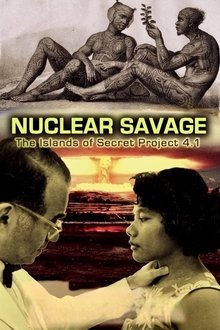
Nuclear Savage: The Islands of Secret Project 4.1 (2011)
A shocking political exposé, and an intimate ethnographic portrait of Pacific Islanders struggling for survival, dignity, and justice after decades of top-secret human radiation experiments conducted on them by the U.S. government.
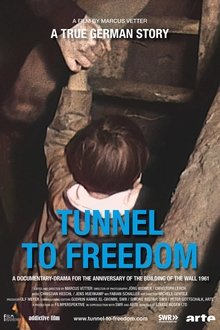
Tunnel to Freedom (2021)
13 August 1961: the GDR closes the sector borders in Berlin. The city is divided overnight. Escape to the West becomes more dangerous every day. But on September 14, 1962, exactly one year, one month and one day after the Wall was built, a group of 29 people from the GDR managed to escape spectacularly through a 135-meter tunnel to the West. For more than 4 months, students from West Berlin, including 2 Italians, dug this tunnel. When the tunnel builders ran out of money after only a few meters of digging, they came up with the idea of marketing the escape tunnel. They sell the film rights to the story exclusively to NBC, an American television station.
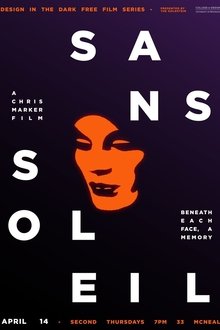
Sans Soleil (1983)
A woman narrates the thoughts of a world traveler, meditations on time and memory expressed in words and images from places as far-flung as Japan, Guinea-Bissau, Iceland, and San Francisco.
The Condo at the End of the World: Life Inside a Nuclear Missile Bunker (NaN)
Edward Peden purchased a former US military launch site in the 1980s, and has been living in it ever since. Meanwhile, Larry Hall is building million-dollar condominiums inside of an underground missile silo.
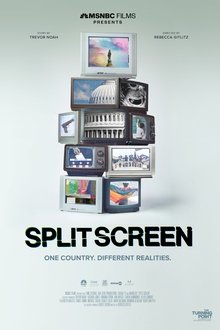
Split Screen (2022)
The story of January 6, 2021, where approximately 2000 people stormed the US Capitol to stop the certification of the Electoral College Votes, killing some and leaving over 140 injured. A firestorm of angst, anger, violence and confusion.

Stonebreakers (2022)
In a year of uprisings and political unrest, Stonebreakers documents the fights around monuments in the United States and explores the shifting landscapes of the nation's historical memory.
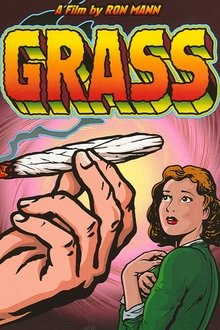
Grass (1999)
Marijuana is the most controversial drug of the 20th Century. Smoked by generations to little discernible ill effect, it continues to be reviled by many governments on Earth. In this Genie Award-winning documentary veteran Canadian director Ron Mann and narrator Woody Harrelson mix humour and historical footage together to recount how the United States has demonized a relatively harmless drug.
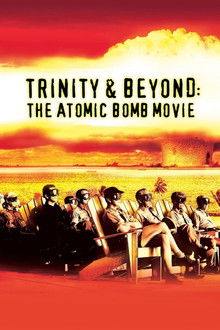
Trinity and Beyond: The Atomic Bomb Movie (1995)
"Trinity and Beyond" is an unsettling yet visually fascinating documentary presenting the history of nuclear weapons development and testing between 1945-1963. Narrated by William Shatner and featuring an original score performed by the Moscow Symphony Orchestra, this award-winning documentary reveals previously unreleased and classified government footage from several countries.

JazzTown (2021)
Denver’s iconic and Grammy Award-winning musicians reveal the secrets of their success and longevity in the music business while warning the young lions to whom they pass the torch to stay relevant in a marketplace both treacherous and brutal. The majestic Rocky Mountains tower over a bustling metropolis filled with steamy and romantic nightclubs where jazz flourishes on stage. JazzTown features never seen before live concert footage on historic stages that have now crumbled due to economic stresses of the Covid Pandemic. ~ Dianne Reeves, 5-time Grammy Award winner for Best Jazz Vocalist ~ US Senator John Hickenlooper (former jazz club owner) ~ Ron Miles (Colorado Music Hall of Fame, Joshua Redman, Bill Frisell, Ginger Baker) ~ Charlie Hunter (Snarky Puppy, Christian McBride, Stanton Moore) ~ Art Lande (Mark Isham, Gary Peacock) ~ Ayo Awosika (Session Singer on Soundtracks to: Wakanda Forever, Nope, Dune, The Lion King ... tours with Miley Cyrus,) and many more.