A documentary about the past, present and potential future of the Digital Compact Cassette. Very few people know the true story about, the Digital Compact Cassette or DCC. Was DCC's audio compression the grandfather of all compressed audio formats today? Why did it have such a short life? Why didn't it become popular in more countries? The early termination of the format in 1996, leading to the rejuvenation in 2014 by Techmoan and later the DCCmuseum in countries that rejected the format before. Nearly 2 years of research allowed us to finally get the truth about DCC on camera, presenting DCC enthusiasts the past, present, and potential future of the format we love. This documentary is about the format, the creators, the decision makers, the musicians, the collectors, the geeks, and the audiophiles behind DCC.
Related Movies
Koyaanisqatsi (1983)
Takes us to locations all around the US and shows us the heavy toll that modern technology is having on humans and the earth. The visual tone poem contains neither dialogue nor a vocalized narration: its tone is set by the juxtaposition of images and the exceptional music by Philip Glass.

Final Warning (1995)
Host Grant Jeffrey discusses how technology and government activities are changing the way our information is handled. How is this shaping our lives?
Instagram Is (2013)
In a culture immersed in technology, Instagram is reviving adventure, face to face community and real relationships. Through sharing the stories of friends old and new, "Instagram Is" sets out to discover the answer to the question "How can something so digital get people out from behind their devices and into the analog world?"
Nothing to Hide (2017)
NOTHING TO HIDE is an independent documentary dealing with surveillance and its acceptance by the general public through the "I have nothing to hide" argument. The documentary was produced and directed by a pair of Berlin-based journalists, Mihaela Gladovic and Marc Meillassoux. It was crowdfunded by over 400 backers. NOTHING TO HIDE questions the growing, puzzling and passive public acceptance of massive corporate and governmental incursions into individual and group privacy and rights. After the emotion initially triggered by the Snowden revelations, it seems that the general public has finally accepted to live in a monitored digital world.
LIKE (2018)
LIKE is an IndieFlix Original documentary that explores the impact of social media on our lives and the effects of technology on the brain. The goal of the film is to inspire us to self-regulate. Social media is a tool and social platforms are a place to connect, share, and care … but is that what's really happening?
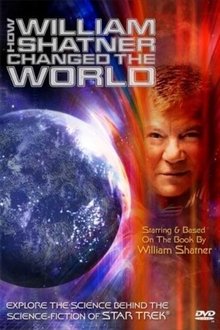
How William Shatner Changed The World (2005)
William Shatner presents a light-hearted look at how the "Star Trek" TV series have influenced and inspired today's technologies, including: cell phones, medical imaging, computers and software, SETI, MP3 players and iPods, virtual reality, and spaceship propulsion.
DSKNECTD (2013)
As clichés go, in 1999 the World as we knew it was about to change - and we'd been expecting it. Since childhood we'd been promised that the 21st century would bring us dramatic new technologies like flying cars and Utopian cities. Instead it bought us the smart-phone, social media, and virtual societies. And as it turns out these technologies began to transform society almost as dramatically as the moon colonies we'd been expecting. Now over a decade into the revolution, 'DSKNECTD' explores how digital communication technology is profoundly changing the way we interact and experience each other - for the good and for the bad.
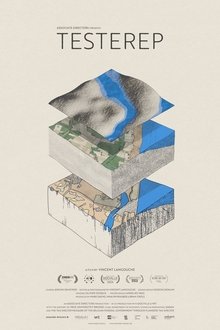
Testerep (2024)
A team of scientists search for the lost island of Testerep in front of the Belgian coast, venturing into artificial landscapes and virtual realities.
The Social Dilemma (2020)
This documentary-drama hybrid explores the dangerous human impact of social networking, with tech experts sounding the alarm on their own creations.
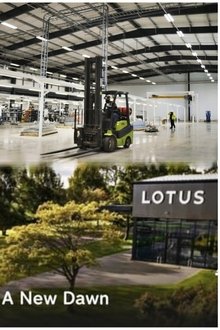
Lotus: A New Dawn (2021)
This short documentary follows the fortunes of iconic car manufacturer Lotus. Once famous for its championship-winning race cars and iconic sports cars, Lotus has struggled to remain in profit. A new investor and managing director set out to build the first new Lotus road cars in over a decade: their final petrol-powered car Emira and their first pure electric British hypercar, the 2000bhp Evija.
Revolution OS (2001)
REVOLUTION OS tells the inside story of the hackers who rebelled against the proprietary software model and Microsoft to create GNU/Linux and the Open Source movement.
Nokia Mobile: We Were Connecting People (2017)
Once upon a time there was a large Finnish company called Nokia that manufactured the world’s best and most innovative mobile phones. Nokia’s annual budget was larger than that of the Government of Finland and their phones spread everywhere and changed the whole culture of communication. But then something changed. Film portrays the rise and fall of Nokia and the Finnish mobile phone industry. Nokia engineers, designers and managers tell their story about the creation, success and downfall of the Finnish mobile phone.
Digital Amnesia (2014)
Focusing on the vulnerability of digital data, Digital Amnesia ponders the sustainability of modern artifacts that have no material state. Notable archivists share their perspectives on the Digital Age and whether it poses great promise or threat to the longevity of digital information and our collective memory.

CyberBaby (1998)
In this video series an individual confronts fears and, through the process of confessing directly to the camera, transcends trauma. It is also about agin, longing, the delusions and misconceptions we are encumbered with as we mature towards self-awareness, and the masks we assume to deny or hide understanding. The tapes rupture, fracture, and use digital effects to mirror the psychological changes of the protagonist.
More Human Than Human (2018)
Stephen Hawking has warned that the creation of powerful artificial intelligence will be “either the best, or the worst thing, ever to happen to humanity”. Inspired by Brian Christian’s study The Most Human Human: What Artificial Intelligence Teaches Us About Being Alive, the filmmakers set out on an international investigation highlighting the effects of AI - scenes from our daily lives destructive and constructive.
General Magic (2019)
A tale of how the great vision and epic failure of General Magic, the "greatest dead company in Silicon Valley", changed the lives of billions.
Microworld (1976)
Back in 1976, microprocessors had a maximum of 8.5K transistors for 64bits of memory. The Queen of England sent her first email, and Steve Wozniak designed the Apple I. And a post-Star Trek but pre-TJ Hooker William Shatner made this film for AT&T about the future of microprocessors.
Something Ventured (2011)
Apple. Intel. Genentech. Atari. Google. Cisco. Stratospheric successes with high stakes all around. Behind some of the world's most revolutionary companies are a handful of men who (through timing, foresight, a keen ability to size up other people, and a lot of luck) saw opportunity where others did not: these are the original venture capitalists. All were backing and building companies before the term 'venture capital' had been coined: companies that led to the birth of biotechnology and the spectacular growth in microprocessors, personal computers and the web. SOMETHING VENTURED uncovers the ups and downs of the building of some of the greatest companies of the twentieth century, and the hidden dramas behind some of the most famous names in business.
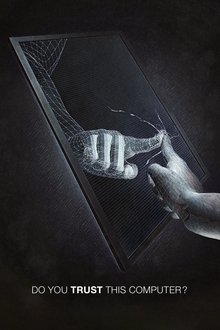
Do You Trust this Computer? (2018)
Science fiction has long anticipated the rise of machine intelligence, and today a new generation of self-learning computers has begun to reshape every aspect of our lives. Will A.I. usher in an age of unprecedented potential, or prove to be our final invention?

The Sun Queen (2023)
Chemical engineer and inventor Maria Telkes worked for nearly 50 years to harness the power of the sun, designing and building the world's first successful solar-heated modern residence and identifying a new chemical that could store solar heat like a battery. Telkes was undercut and thwarted by her (male) boss and colleagues at MIT, but she persevered. Upon her death in 1995 Telkes held more than 20 patents, and now she is recognized as a visionary pioneer in the field of sustainable energy whose work continues to shape how we power our lives today.