Apple. Intel. Genentech. Atari. Google. Cisco. Stratospheric successes with high stakes all around. Behind some of the world's most revolutionary companies are a handful of men who (through timing, foresight, a keen ability to size up other people, and a lot of luck) saw opportunity where others did not: these are the original venture capitalists. All were backing and building companies before the term 'venture capital' had been coined: companies that led to the birth of biotechnology and the spectacular growth in microprocessors, personal computers and the web. SOMETHING VENTURED uncovers the ups and downs of the building of some of the greatest companies of the twentieth century, and the hidden dramas behind some of the most famous names in business.
Related Movies
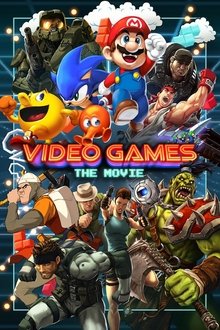
Video Games: The Movie (2014)
From executive producer Zach Braff and director Jeremy Snead, "Video Games: The Movie" is an epic feature length documentary chronicling the meteoric rise of video games from nerd niche to multi-billion dollar industry. Narrated by Sean Astin and featuring in-depth interviews with the godfathers who started it all, the icons of game design, and the geek gurus who are leading us into the future, "Video Games: The Movie" is a celebration of gaming from Atari to Xbox and an eye-opening look at what lies ahead.

In the belly of AI (2025)
Magical, autonomous, all-powerful… Artificial intelligences feed our dreams as well as our nightmares. But while tech giants promise the advent of a new humanity, the reality of their production remains totally hidden. While data centers are concreting landscapes and drying up rivers, millions of workers around the world are preparing the billions of data that will feed the voracious algorithms of Big Tech, at the cost of their mental and emotional health. They are hidden in the belly of AI. Could they be the collateral damage of the ideology of “Longtermism” that has been brewing in Silicon Valley for several years?
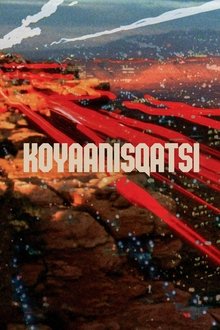
Koyaanisqatsi (1983)
Takes us to locations all around the US and shows us the heavy toll that modern technology is having on humans and the earth. The visual tone poem contains neither dialogue nor a vocalized narration: its tone is set by the juxtaposition of images and the exceptional music by Philip Glass.

Silicon Valley, Baby. (2020)
Finnish award-winning barista Kalle Freese travels to San Francisco with his girlfriend to start an instant coffee start-up with big goals. At stake are Kalle's health, relationship and the newly formed start-up.
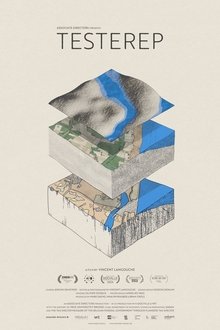
Testerep (2024)
A team of scientists search for the lost island of Testerep in front of the Belgian coast, venturing into artificial landscapes and virtual realities.
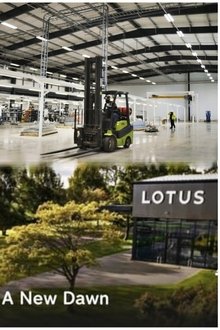
Lotus: A New Dawn (2021)
This short documentary follows the fortunes of iconic car manufacturer Lotus. Once famous for its championship-winning race cars and iconic sports cars, Lotus has struggled to remain in profit. A new investor and managing director set out to build the first new Lotus road cars in over a decade: their final petrol-powered car Emira and their first pure electric British hypercar, the 2000bhp Evija.
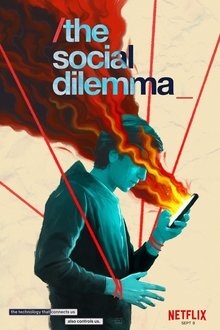
The Social Dilemma (2020)
This documentary-drama hybrid explores the dangerous human impact of social networking, with tech experts sounding the alarm on their own creations.
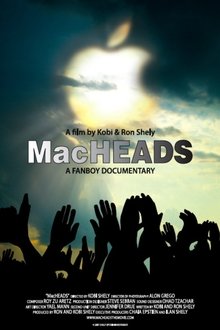
Macheads (2009)
A exploration of the fanaticism that surrounds the Apple brand, featuring interviews with Mac evangelists and members of the Mac community.
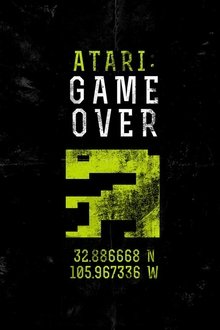
Atari: Game Over (2014)
The Xbox Originals documentary that chronicles the fall of the Atari Corporation through the lens of one of the biggest mysteries of all time, dubbed “The Great Video Game Burial of 1983.” Rumor claims that millions of returned and unsold E.T. cartridges were buried in the desert, but what really happened there?
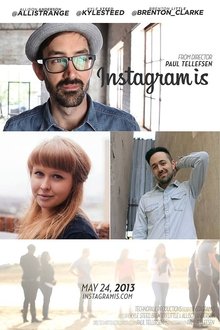
Instagram Is (2013)
In a culture immersed in technology, Instagram is reviving adventure, face to face community and real relationships. Through sharing the stories of friends old and new, "Instagram Is" sets out to discover the answer to the question "How can something so digital get people out from behind their devices and into the analog world?"

Final Warning (1995)
Host Grant Jeffrey discusses how technology and government activities are changing the way our information is handled. How is this shaping our lives?
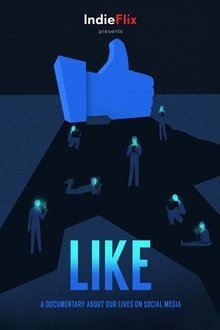
LIKE (2018)
LIKE is an IndieFlix Original documentary that explores the impact of social media on our lives and the effects of technology on the brain. The goal of the film is to inspire us to self-regulate. Social media is a tool and social platforms are a place to connect, share, and care … but is that what's really happening?
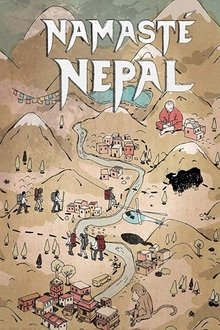
Namaste Nepal (2009)
American high school students from the privileged Silicon Valley travel to Manang, Nepal in this documentary about how travel and life experiences can change personal perceptions. Together with a group of Manangi high schoolers, the students expand their cultural knowledge and experience a slice of life as a citizen of the globe.
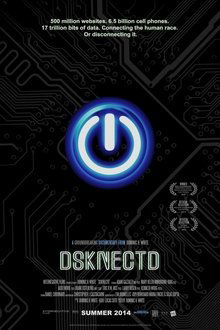
DSKNECTD (2013)
As clichés go, in 1999 the World as we knew it was about to change - and we'd been expecting it. Since childhood we'd been promised that the 21st century would bring us dramatic new technologies like flying cars and Utopian cities. Instead it bought us the smart-phone, social media, and virtual societies. And as it turns out these technologies began to transform society almost as dramatically as the moon colonies we'd been expecting. Now over a decade into the revolution, 'DSKNECTD' explores how digital communication technology is profoundly changing the way we interact and experience each other - for the good and for the bad.
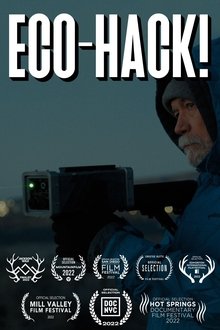
Eco-Hack! (2022)
Conservation biologist Tim Shields sees urgency in the field and finds that traditional conservation practices are lacking when it comes to saving desert tortoise populations from ravens. He goes rogue, employing an arsenal of lasers, exploding model turtles, drones and desert rovers as a means of protecting the tortoise's dwindling numbers.
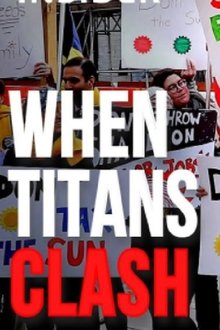
The Real Losers Of The US-China Trade War (2021)
A 3 year trade war has created corporate casualties in both US and China. In China, a dual circulation model is now underway to mitigate the effects of US protectionism. In the US, a Biden administration mulls new economic measures against China, even as industry groups lobby for tariffs to be lifted. Both countries also brace for what used to be unthinkable- the possibility of a financial war.

The Crazy Che (2015)
The incredible story of Bill Gaede, an Argentinian engineer, programmer… and Cold War spy.
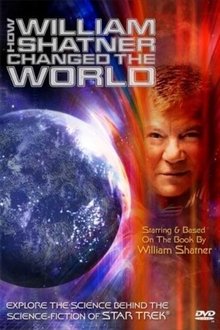
How William Shatner Changed The World (2005)
William Shatner presents a light-hearted look at how the "Star Trek" TV series have influenced and inspired today's technologies, including: cell phones, medical imaging, computers and software, SETI, MP3 players and iPods, virtual reality, and spaceship propulsion.
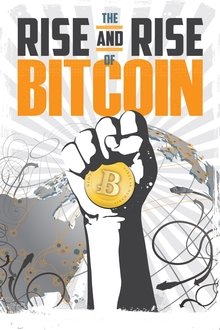
The Rise and Rise of Bitcoin (2014)
A documentary about the development and spread of the virtual currency called Bitcoin.

CyberBaby (1998)
In this video series an individual confronts fears and, through the process of confessing directly to the camera, transcends trauma. It is also about agin, longing, the delusions and misconceptions we are encumbered with as we mature towards self-awareness, and the masks we assume to deny or hide understanding. The tapes rupture, fracture, and use digital effects to mirror the psychological changes of the protagonist.