Abandoning the Abaddon-loathed abandoner opens plenty of reclaimed... everything(s).
Related Movies
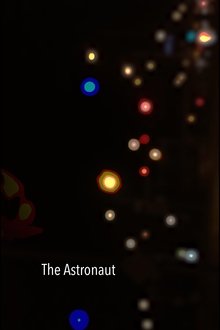
The Astronaut (2017)
A short film recounting the travels of a lonely astronaut confronted by the unknown. Unfolding as a mystery, it becomes a carefully subtle, autobiographical examination of the feeling of loneliness and the existential issue of not understanding life on earth and ones place among it.

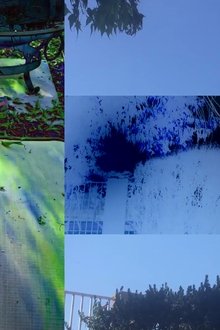
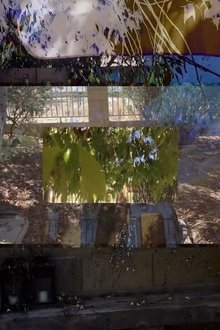
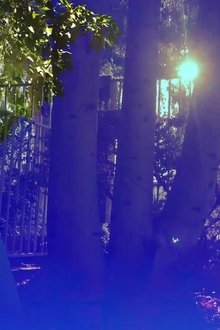
Ruminative Meditations (2017)
Say Om as you reach home only to realize you never really left/stopped saying Om.
What Was It Supposed to Be Like? (2017)
Rather pointless, rather stilted, fetid; not what we want us going after.
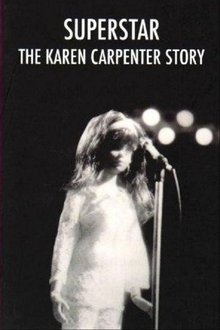
Superstar: The Karen Carpenter Story (1987)
The final 17 years of American singer and musician Karen Carpenter, performed almost entirely by modified Barbie dolls.
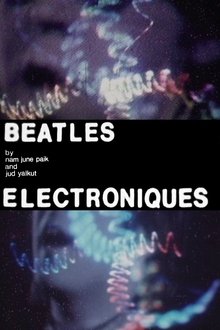
Beatles Electroniques (1969)
Part of a collection of restored early works by Nam June Paik, the haunting Beatles Electronique reveals Paik's engagement with manipulation of pop icons and electronic images. Snippets of footage from A Hard Day's Night are countered with Paik's early electronic processing.
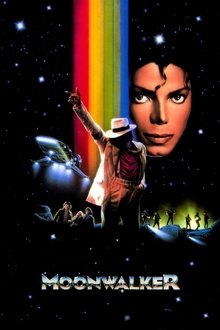
Moonwalker (1988)
This fantastical movie inspired by the music of Michael Jackson features imaginative interpretations of hit tracks from the iconic 1987 album “Bad”.
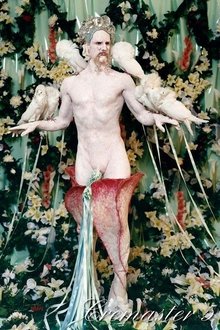
Cremaster 5 (1997)
Cremaster 5 is a five-act opera (sung in Hungarian) set in late-ninteenth century Budapest. The last film in the series, Cremaster 5 represents the moment when the testicles are finally released and sexual differentiation is fully attained. The lamenting tone of the opera suggests that Barney invisions this as a moment of tragedy and loss. The primary character is the Queen of Chain (played by Ursula Andress). Barney, himself, plays three characters who appear in the mind of the Queen: her Diva, Magician, and Giant. The Magician is a stand-in for Harry Houdini, who was born in Budapest in 1874 and appears as a recurring character in the Cremaster cycle.
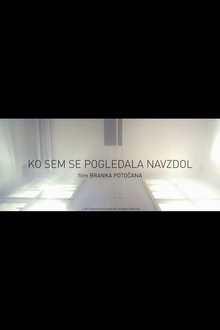
When I Looked at Myself from Above (2017)
The film takes us through the working day of protagonists, factory workers. Their basic working tool is their body, ready to execute strenuous manual tasks. Day after day the same story, the same faces, the same spaces, the same tasks. Feeling confined, they seek a sheet anchor, a way out, an escape. They venture into the unknown, dance, drift and float in the air.

Time (1966)
A concert at the Golden Circle with Don Cherry and his quintet was filmed and then processed to an art movie using various optical effects.

The Extinct Suite (2017)
An animated film made from approximately 1700 laser printed photo(collage)s, manipulated by hand.

All this Roughness (2020)
An unnamed passer-by is forced to trace a circular route inside an abandoned tram station, facing loss and time. The broken walls act as a channel, transmitting fragmentary, blurred and analogical memories.
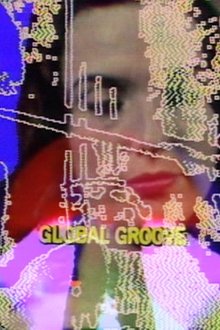
Global Groove (1973)
Global Groove was a collaborative piece by Nam June Paik and John Godfrey. Paik, amongst other artists who shared the same vision in the 1960s, saw the potential in the television beyond it being a one-sided medium to present programs and commercials. Instead, he saw it more as a place to facilitate a free flow of information exchange. He wanted to strip away the limitations from copyright system and network restrictions and bring in a new TV culture where information could be accessed inexpensively and conveniently. The full length of the piece ran 28 minutes and was first broadcasted in January 30, 1974 on WNET.